Dental Implants in Nagoya
At Eden Dental Office, implants are planned by a U.S.-trained prosthodontist who designs the final tooth first — then works backward to the surgical placement. The result is a restoration built for function, appearance, cleanability, and long-term stability. Every case uses CT-guided surgery, Straumann implants, and restorations crafted in our in-house lab. From a single missing tooth to full-arch All-on-4, the entire process is managed under one roof and explained in English.
On this page
Sound familiar?
The right treatment for missing teeth is different for every person. Whether implants, a bridge, or a denture suits you best depends on which teeth are missing, the condition of the remaining teeth, bone and gum health, ease of cleaning, and how long the result needs to last. At Eden Dental Office, we help you sort through these factors — starting with a clear picture of your current situation.
Why Eden
From diagnosis and implant placement to the final crown and bite adjustment — everything is handled by the director. Your treating doctor never changes mid-treatment. With a U.S. prosthodontic background, the director plans not just where to place the implant, but how the restoration will function and last for years to come.
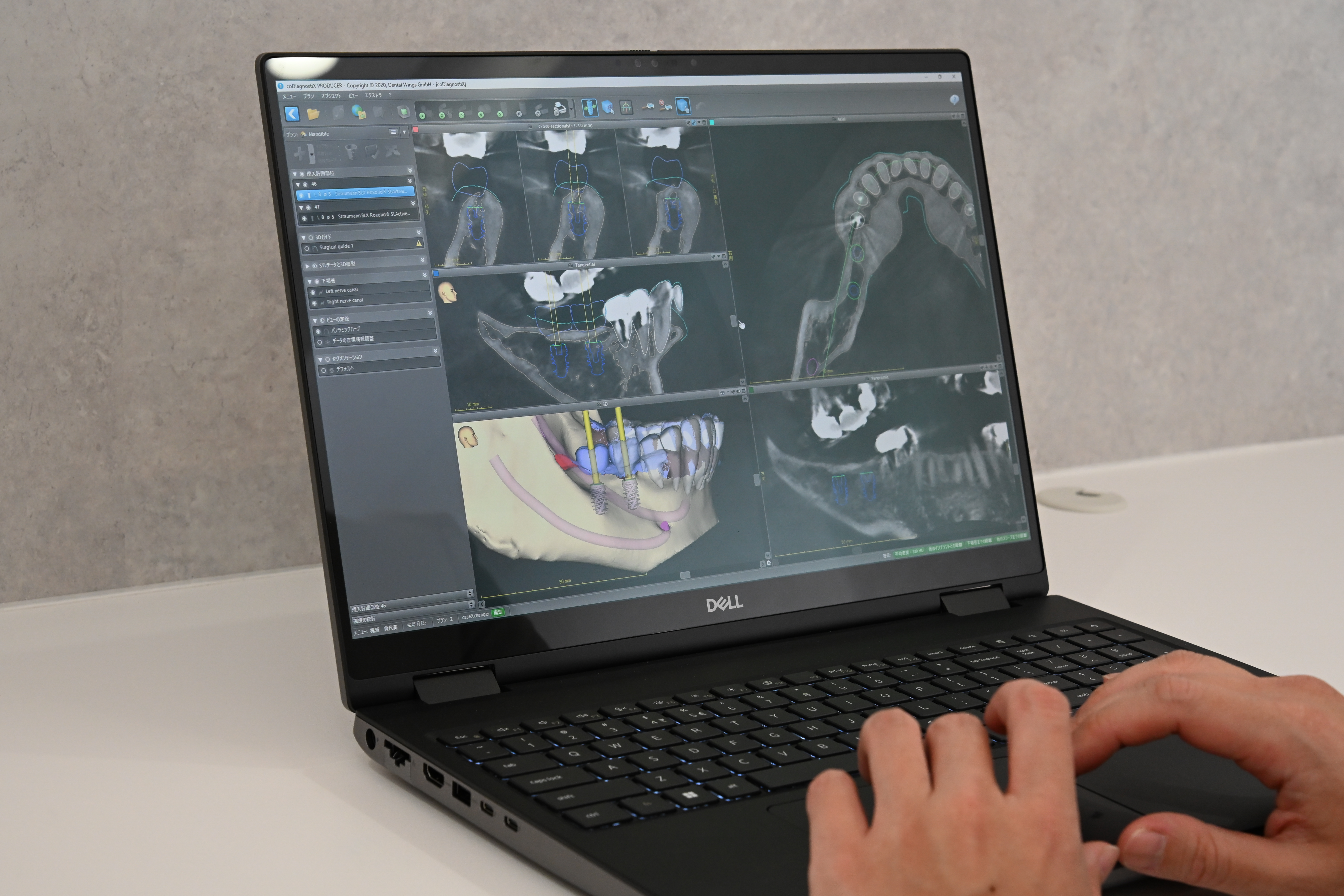
Every case begins with a CT scan that captures bone width, height, density, nerve positions, and sinus proximity in three dimensions. We don’t just check whether an implant can be placed — we evaluate whether it can be placed in a position that will be easy to clean and stable long term. A custom surgical guide is 3D-printed to reproduce the planned position exactly during surgery.
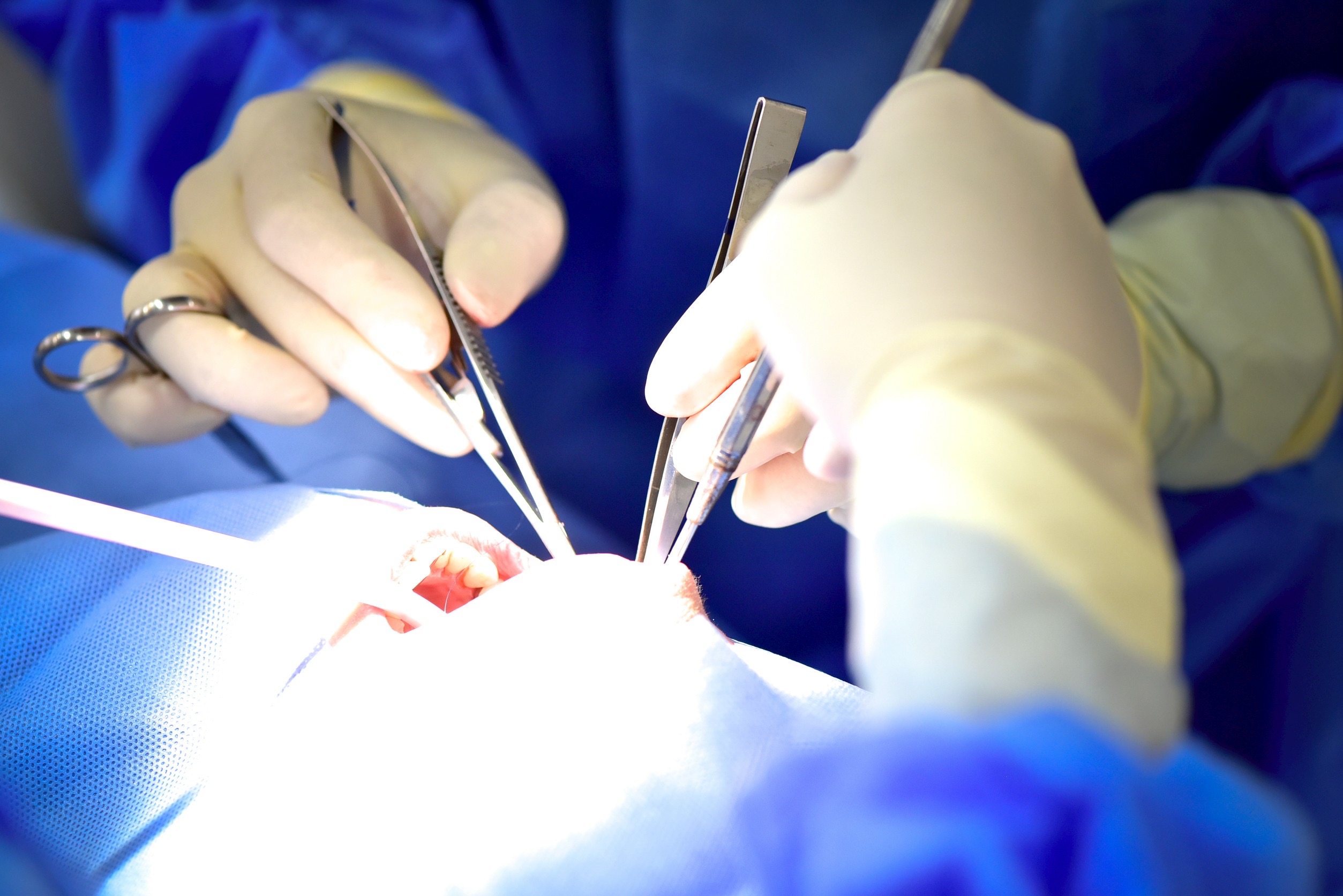
Bone grafting (GBR, sinus lift, socket lift), gum grafting (FGG, CTG), anterior aesthetic reconstruction, multiple missing teeth, and full-arch rehabilitation — we handle them all. If you were told implants are not possible, a second opinion here may open new options.
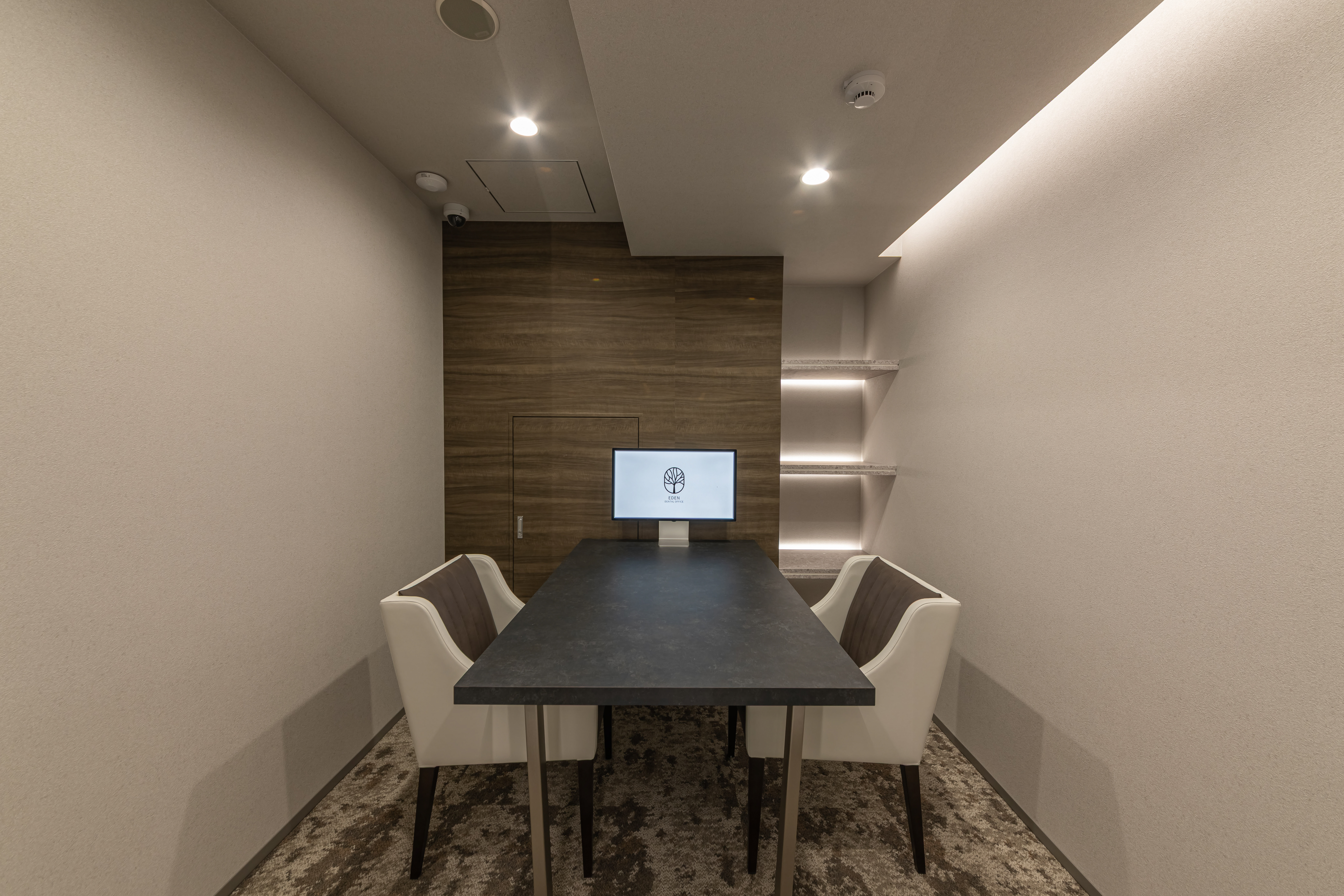
We explain your current condition, the treatment options available, the expected timeline, and a fee estimate — all in English. This is not a consultation to push you toward a decision; it’s an opportunity to understand your choices and decide on your own terms.
We believe what matters is not just the look of your teeth on the day they’re placed — but how well they function and stay healthy five, ten, and twenty years later. That philosophy shapes every implant case at Eden.
Your Implant Doctor
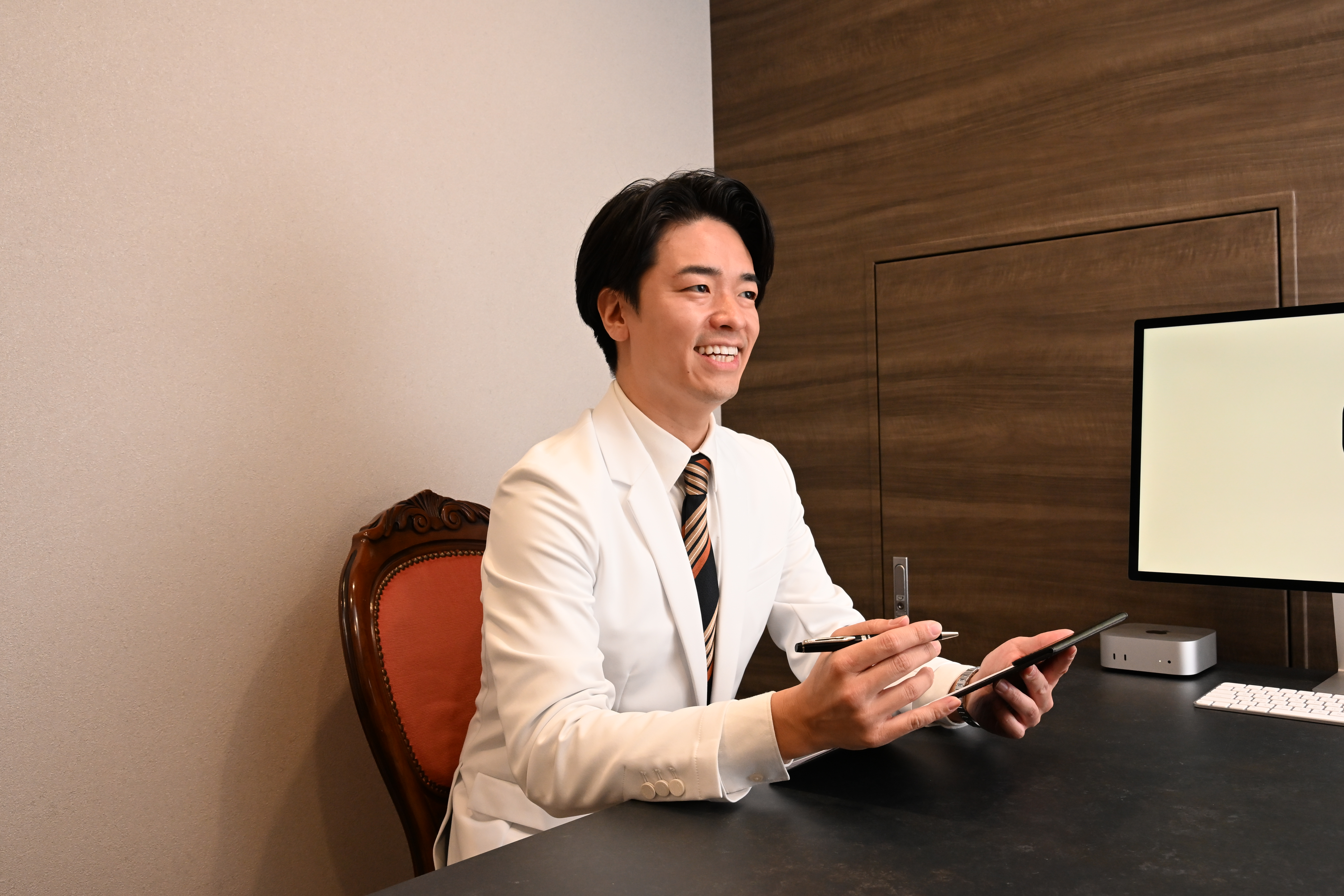
After graduating from dental school in Japan, Dr. Murai completed advanced training in prosthodontics (crowns, bridges, bite design) and implant dentistry at Indiana University in the United States. The U.S. graduate program taught that implant treatment does not end with surgical placement — it must be planned as one integrated process together with the prosthetic design. He brings that philosophy to every case at Eden Dental Office in Nagoya.
Credentials & affiliations
“An implant should be designed for the patient’s life five and ten years from now. Rather than just filling a gap, I consider the load on surrounding teeth, ease of cleaning, and bite balance — because that is what leads to long-term stability.”
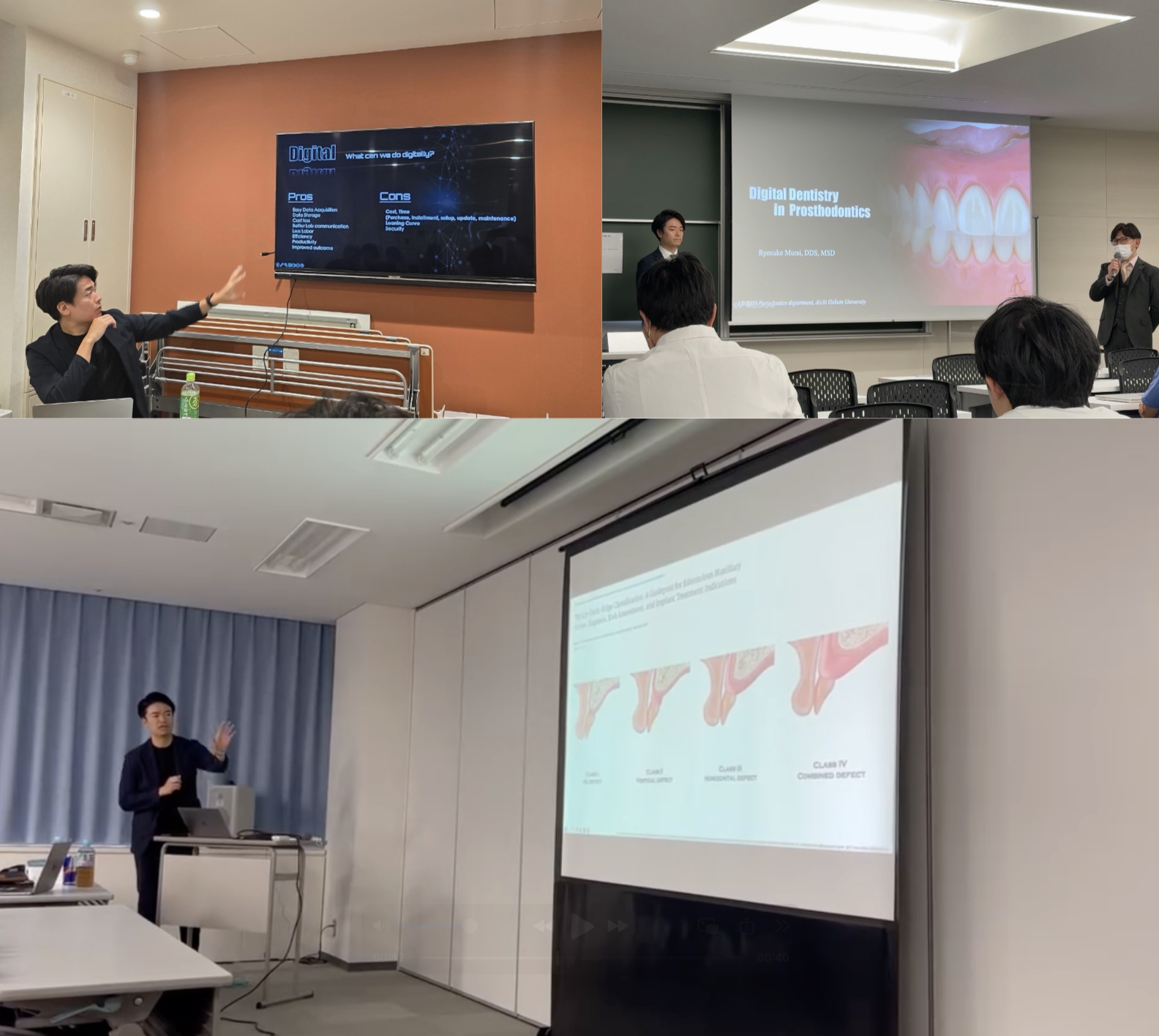
In addition to daily clinical practice, Dr. Murai lectures to fellow dentists on implant diagnosis, prosthetic design, occlusion, and treatment planning for long-term outcomes.
Understanding Implants
Dental implant treatment involves placing an artificial tooth root — typically a small titanium post — into the jawbone where a tooth has been lost. Once the implant integrates with the bone, a custom-made crown is attached on top, restoring both the ability to chew and a natural appearance.
Because the structure closely mimics a natural tooth root, implants tend to offer stronger chewing function and a more natural feel compared to other options. However, implants are not equally suitable for everyone. The right choice depends on bone condition, gum health, bite alignment, and the relationship with the remaining teeth.
Comparing Your Options
Each method has advantages and limitations. Which one is right for you depends on your specific situation and priorities.
An artificial root placed in the jawbone, topped with a custom crown.
Best for: Patients who want to preserve adjacent teeth, chew firmly, and prioritize long-term stability.
A fixed prosthetic anchored to trimmed adjacent teeth on both sides.
Best for: Cases where adjacent teeth already need crowns, or when surgery is not preferred.
A removable plate with replacement teeth, held in place by clasps or suction.
Best for: Multiple missing teeth, function-first priorities, or budget-conscious plans.
Long-Term Stability
We believe that the success of an implant is 90% determined before surgery even begins — by the treatment plan and the prosthetic design. An implant post placed in the right position, angle, and depth will bond with the bone. But what separates outcomes at the 5-, 10-, and 20-year mark is how carefully the bite, cleanability, force distribution, and relationship with surrounding teeth were planned.
In other words, long-lasting implant treatment requires more than surgical skill. It demands precise pre-operative planning and a prosthetic-driven design philosophy.
Implant complications rarely appear right away. Most surface 3–10 years after placement, and the root cause is almost always a design issue.
If the crown shape or gum interface is poorly designed, plaque accumulates and peri-implantitis risk rises. Cleanability matters as much as appearance.
Implants absorb bite forces differently from natural teeth. If position, angle, or occlusion is off, the load concentrates and can damage surrounding teeth over time.
For front teeth, the gum thickness, gum line, and symmetry need to be carefully evaluated. Without this, the result can look noticeably artificial.
When the crown or bite design puts ongoing stress on surrounding tissue, the implant may eventually need to be repaired or even removed.
At Eden, we address all four risks from the start: CT and intraoral scanner data are used for digital simulation; crown shapes are designed for easy cleaning; guided surgery distributes bite forces evenly; and a maintenance plan is presented before treatment begins.
Diagnostics & Planning
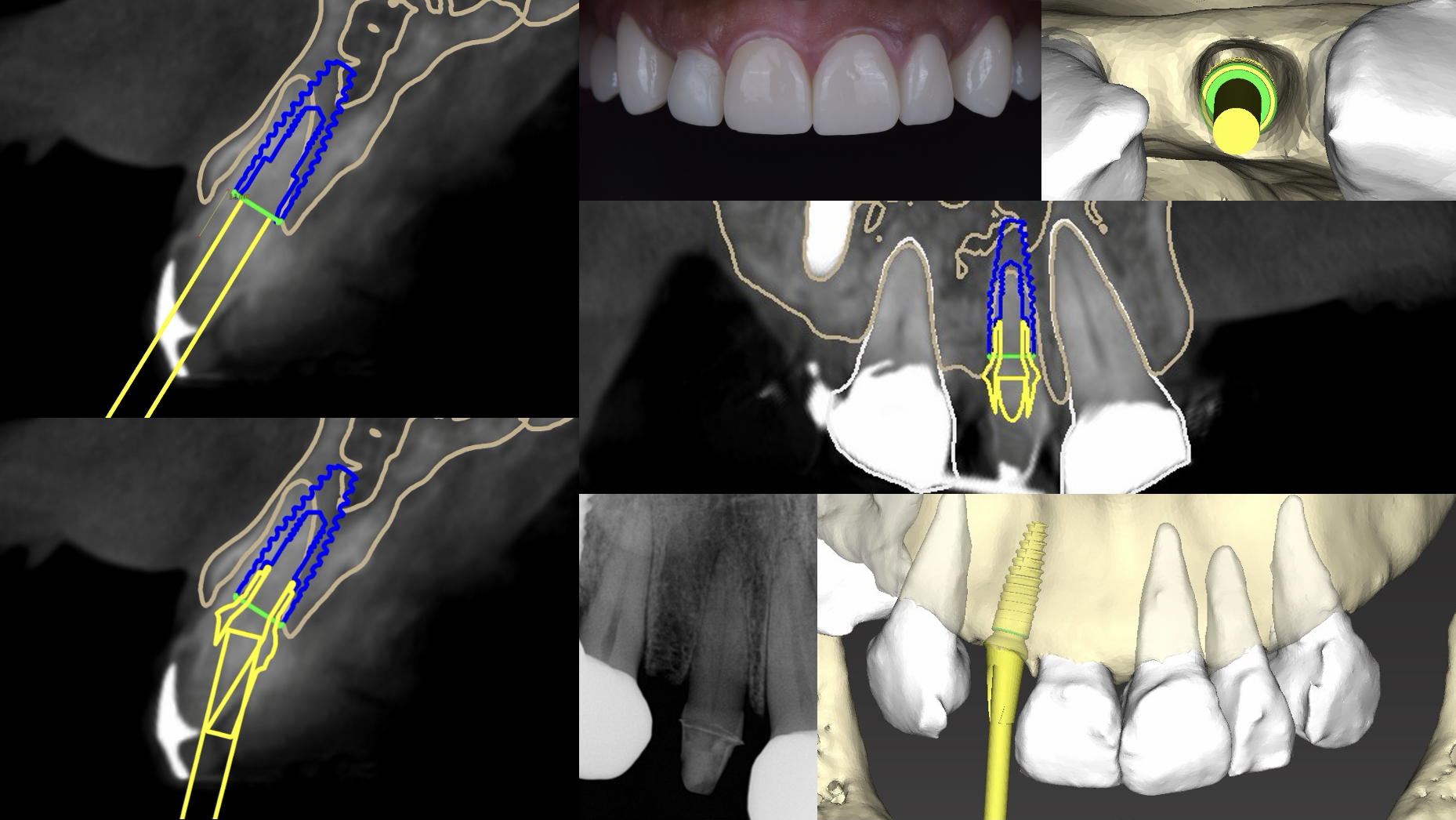
Our CT scan captures bone width, height, density, nerve positions, and sinus proximity in 3D. Using that data, we simulate the ideal implant position on a computer and produce a patient-specific surgical guide with a 3D printer. This workflow allows us to reproduce the planned position, angle, and depth with high accuracy during the actual surgery — minimizing the risk of nerve injury or sinus perforation.
Beyond confirming whether an implant can be placed, we evaluate five additional factors before finalizing the plan:
Our Equipment
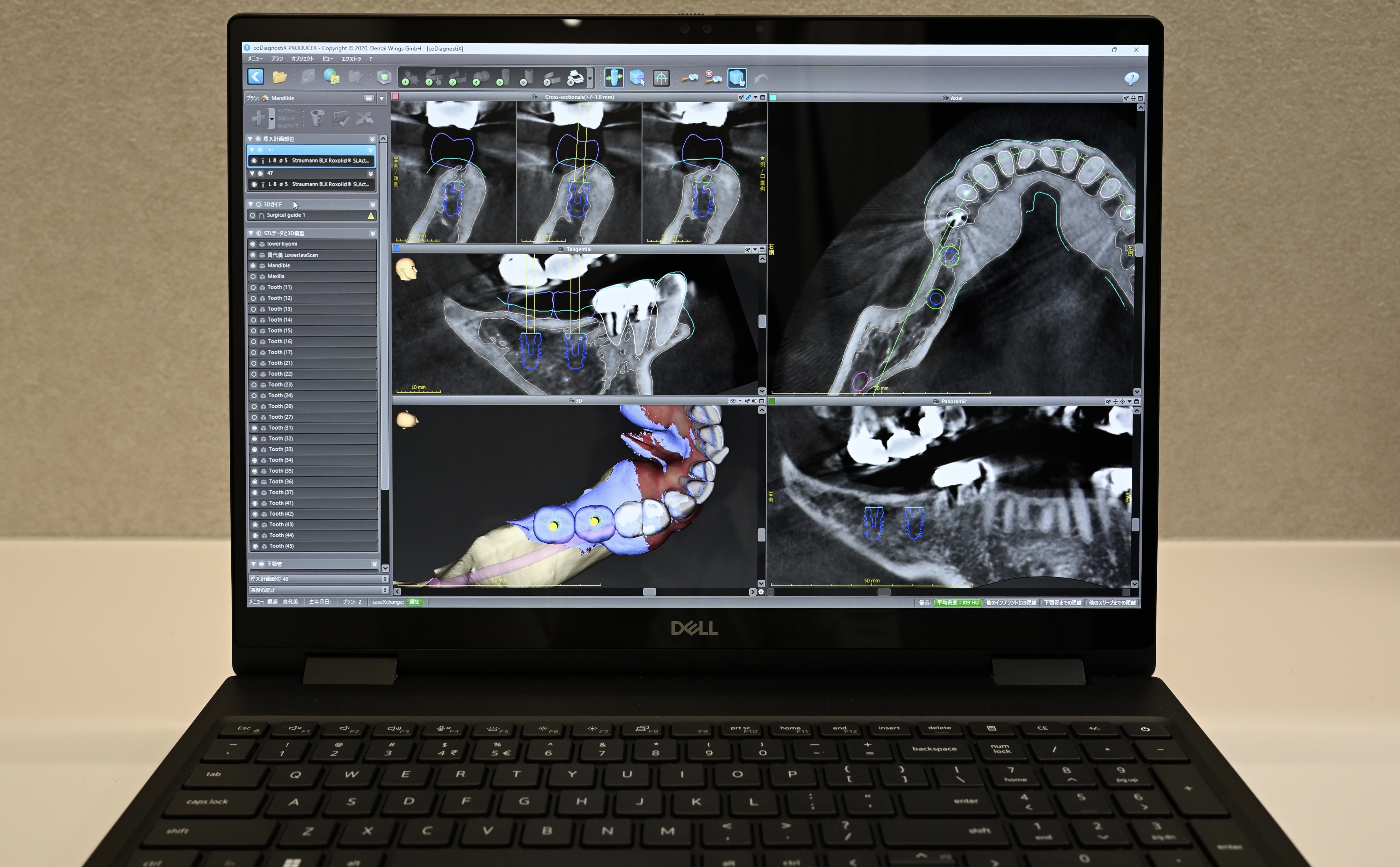
Captures jaw bone structure, nerve positions, and sinus anatomy in 3D — far beyond what traditional 2D X-rays can show. CT exams at our clinic are free of charge.
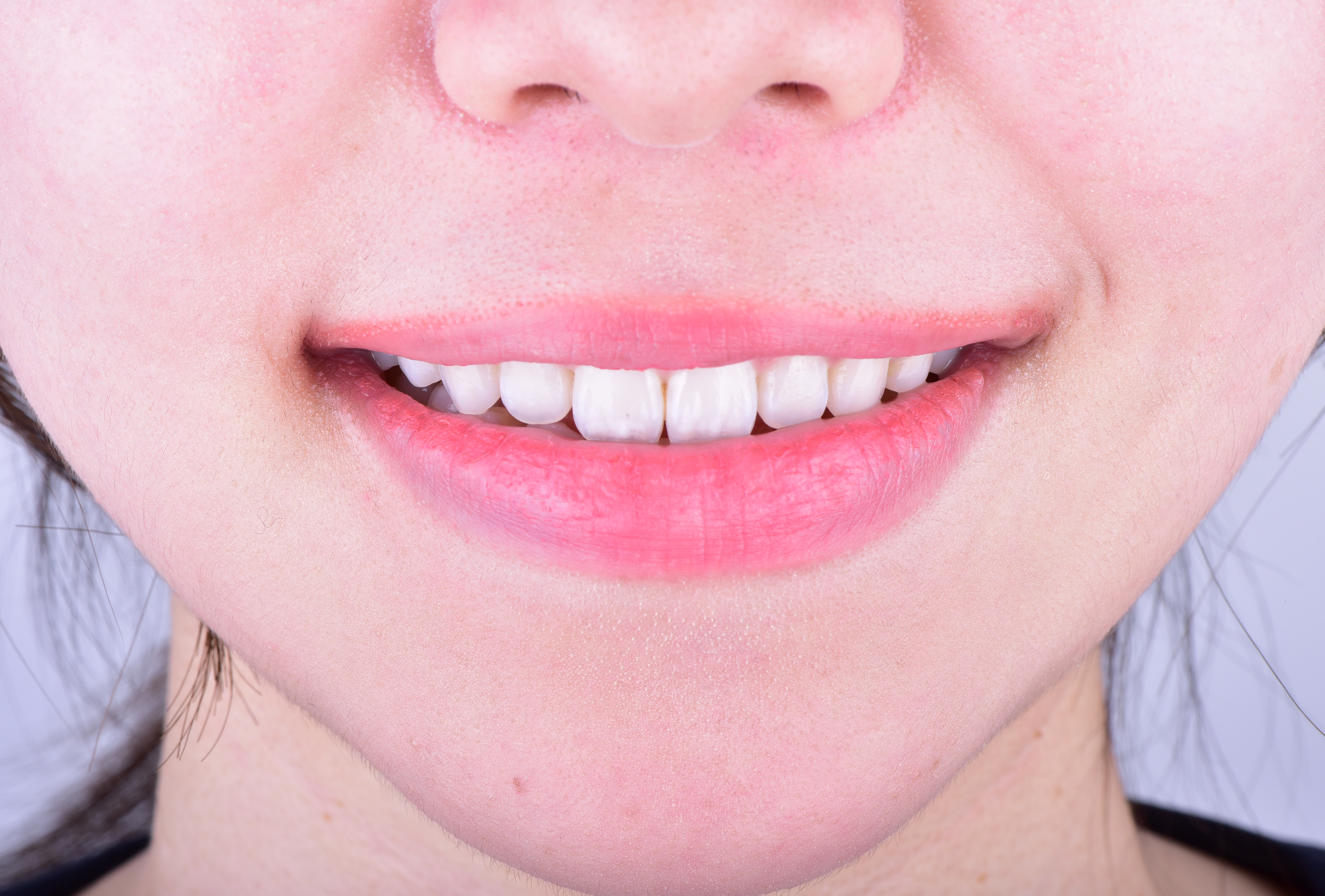
Replaces messy impression material with a direct digital scan. Improves crown fit precision and enables prosthetic designs that harmonize closely with the gum tissue.
We simulate the ideal implant position, angle, and depth on a computer — working backward from the final crown shape and bite (prosthetic-driven planning).
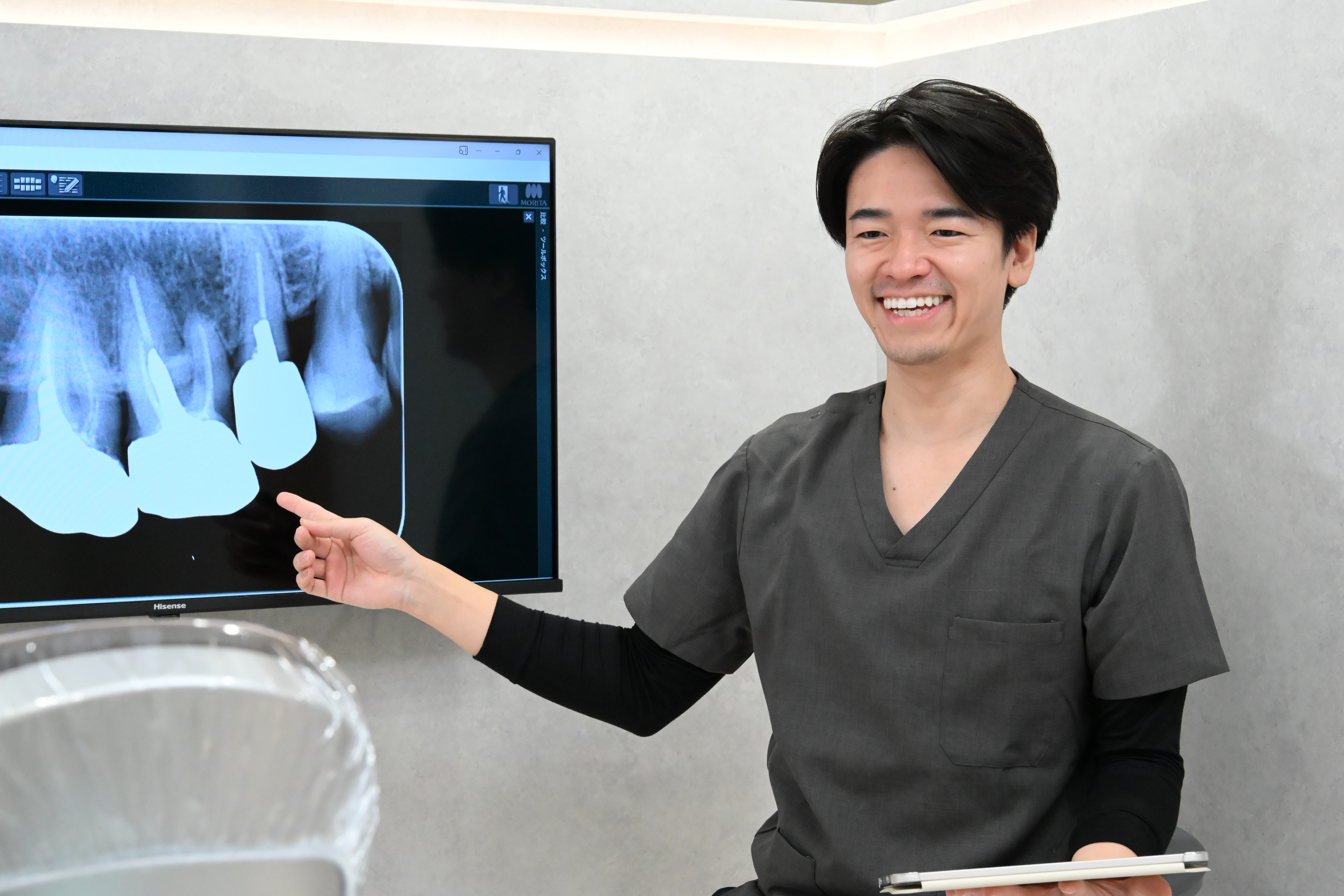
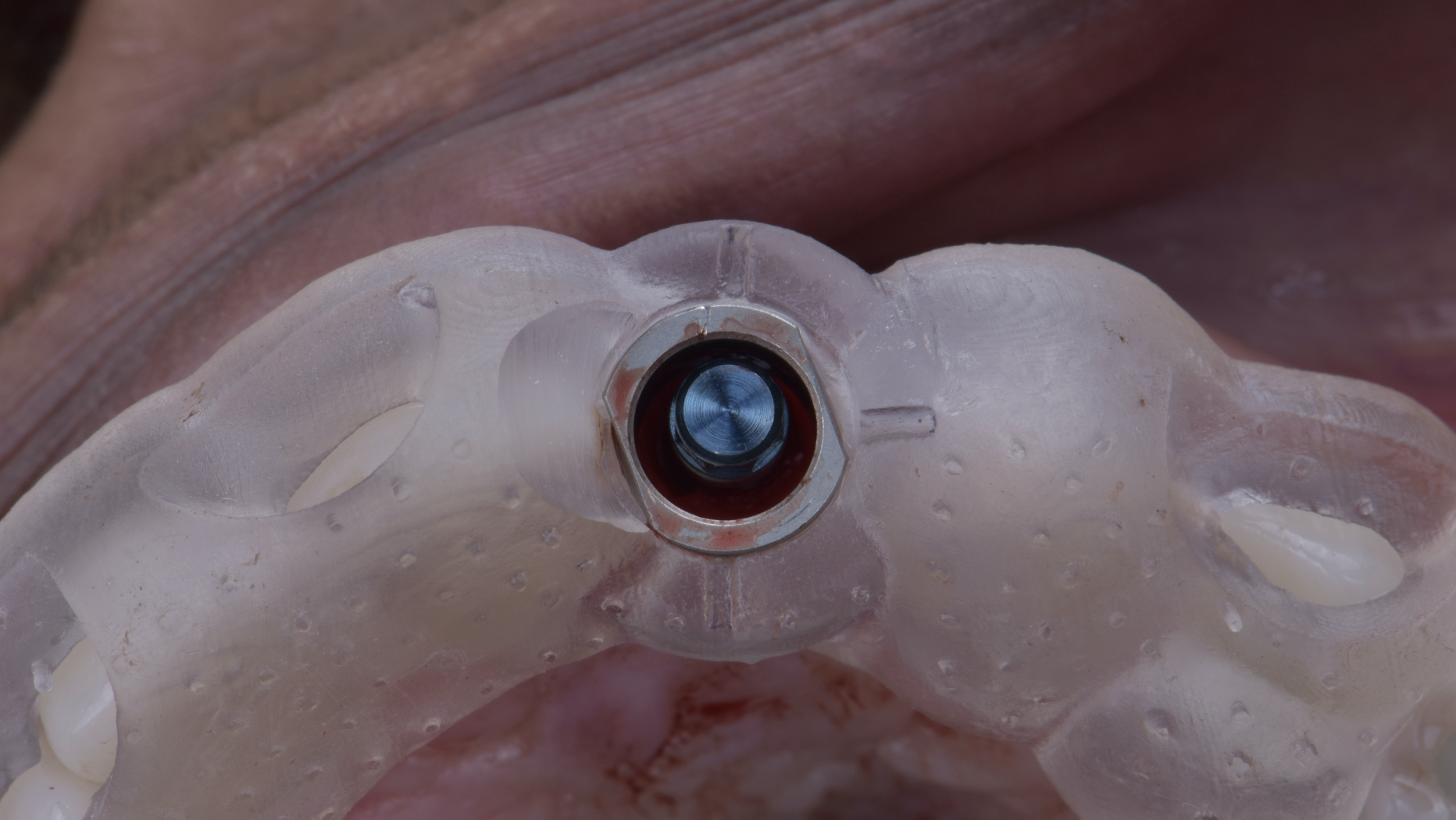
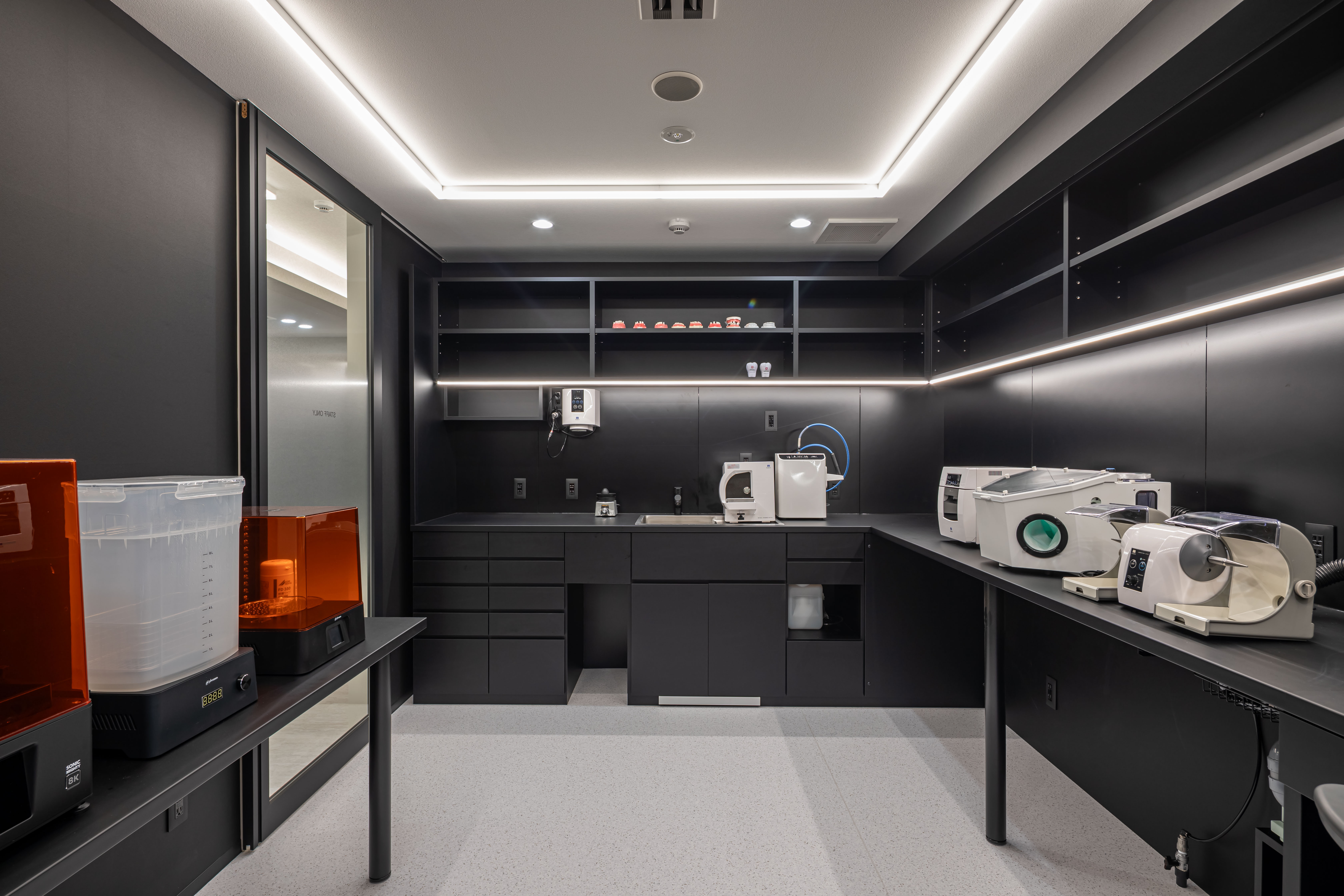
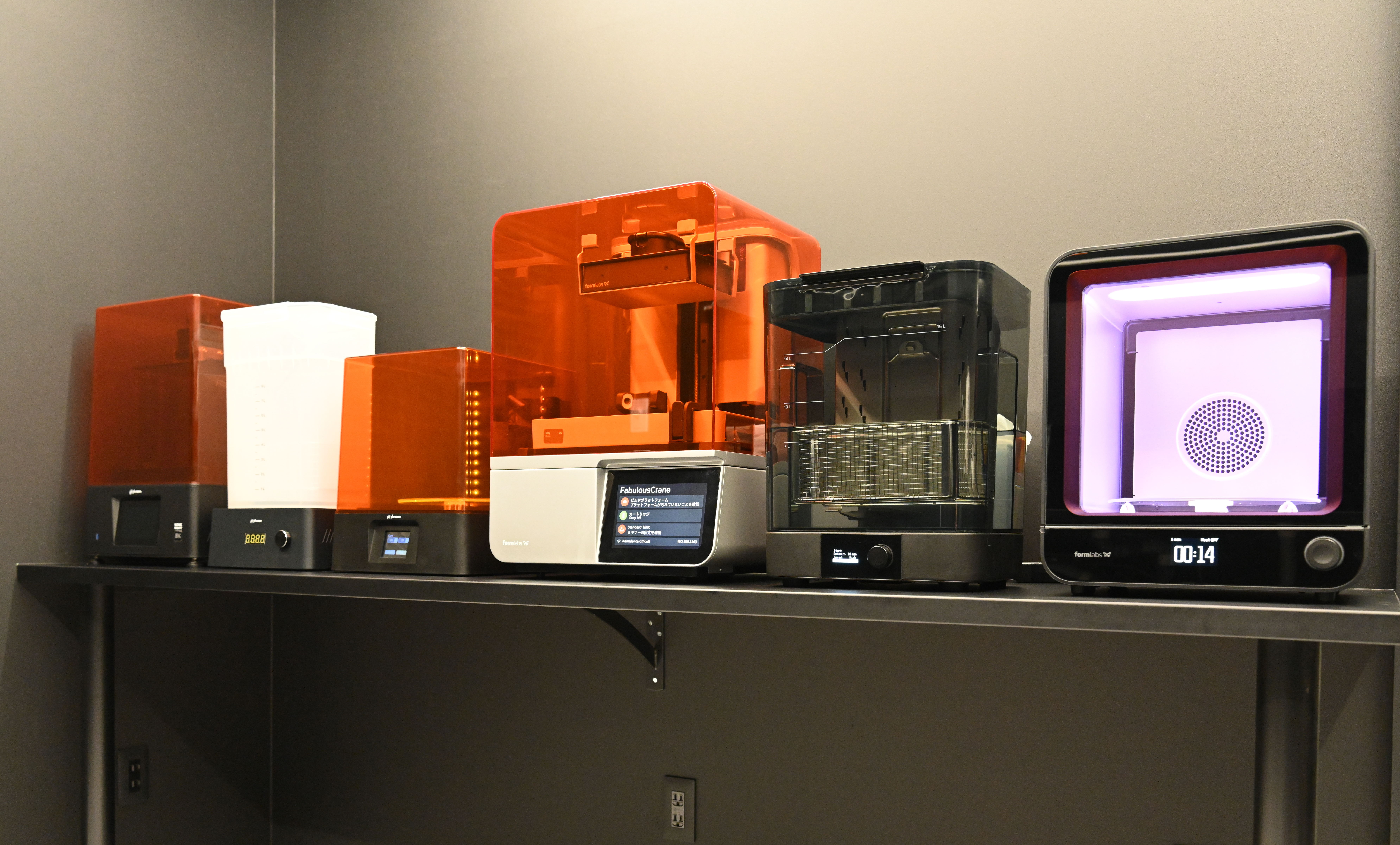
A patient-specific surgical template printed in-house from CT data. Designed and fabricated by the director himself — because the person who plans the case should be the same person who operates.
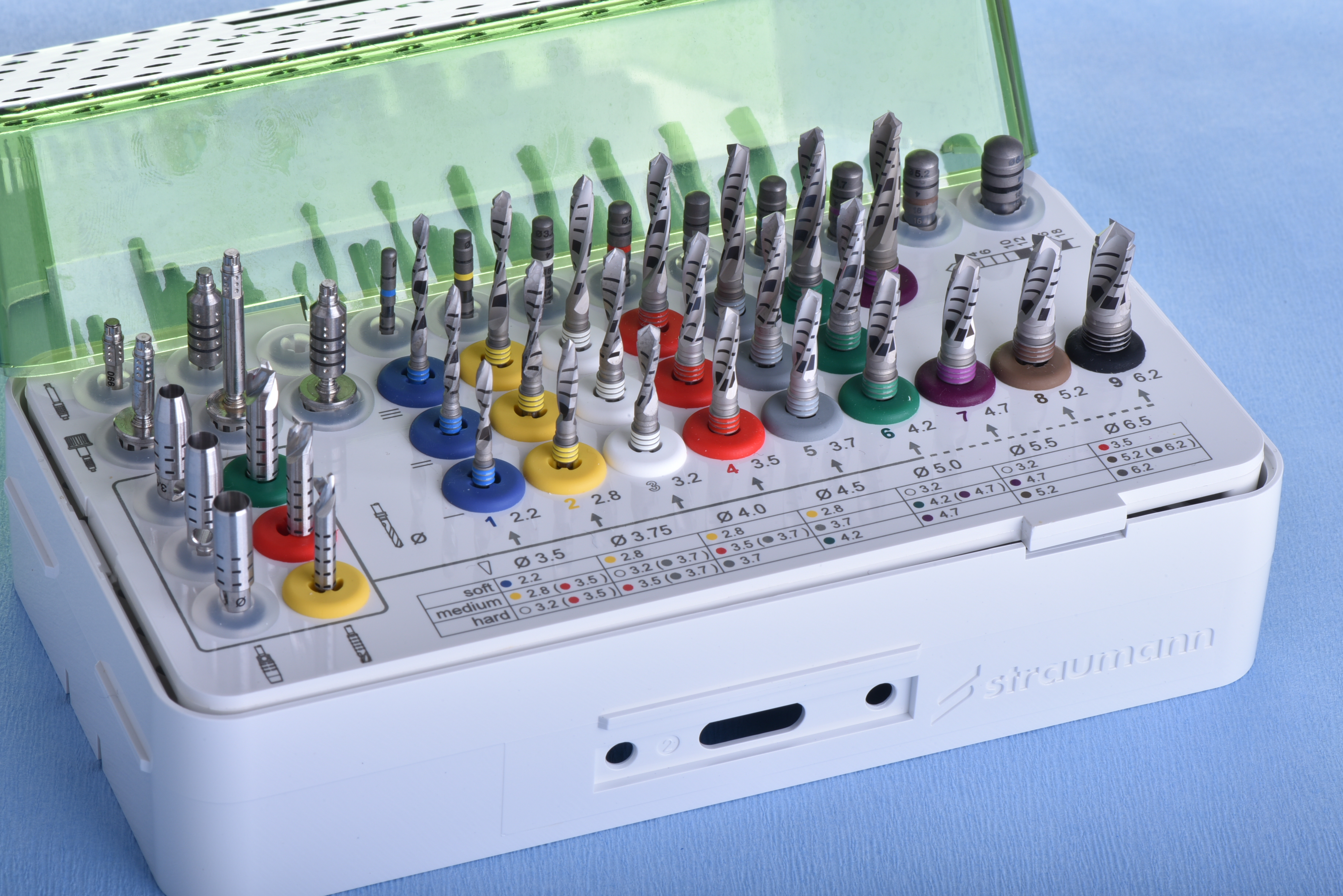
A precision instrument set matched to the Straumann system. Enables accurate drilling calibrated to the patient’s bone condition and implant dimensions.
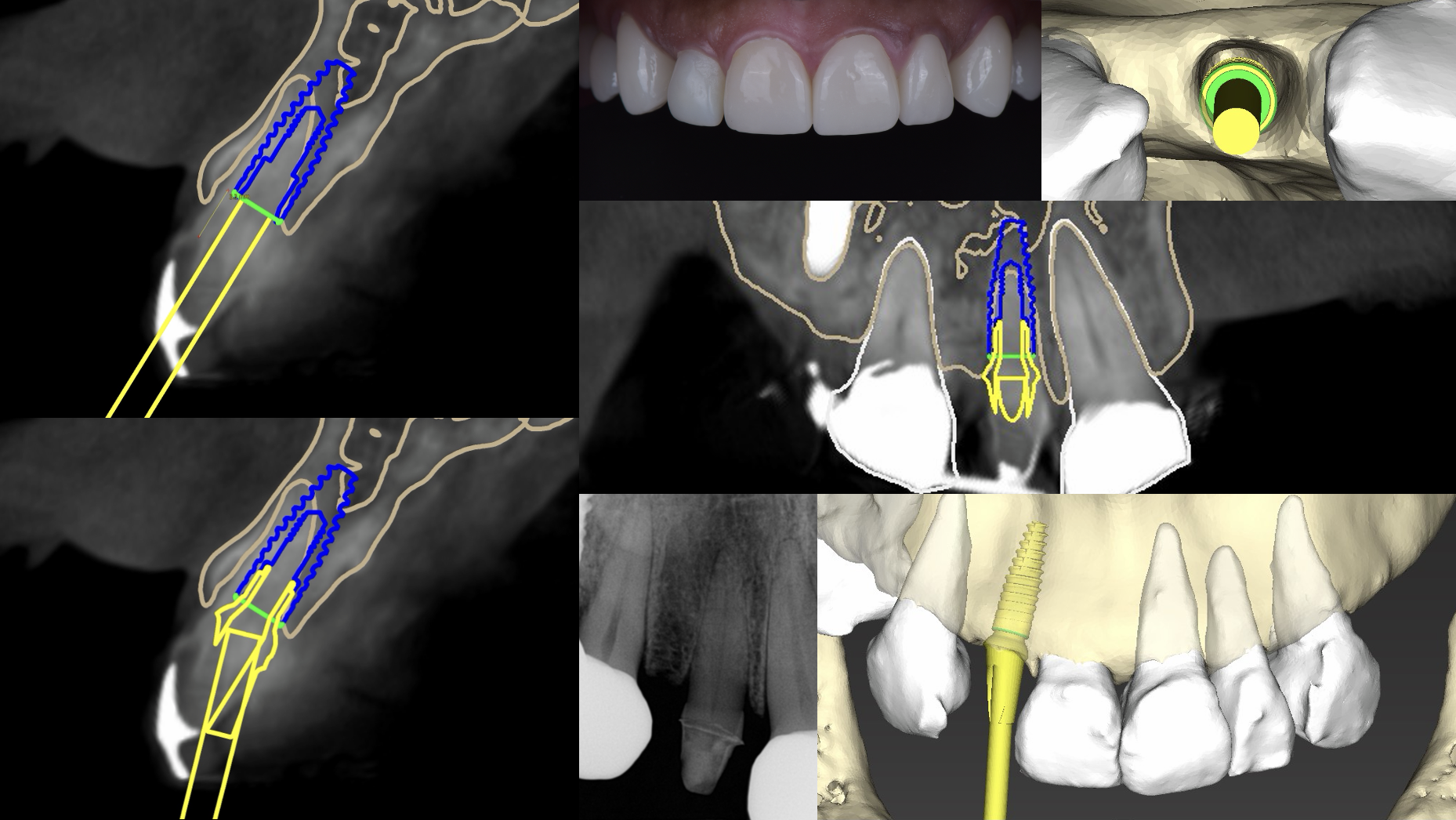
AI analyzes bone shape and quality to suggest optimal placement candidates. The director then makes the final decision from a prosthetic-design perspective, improving both accuracy and safety.
Safety
Every instrument used in implant surgery is individually sterilized in sealed packs and opened immediately before use. Handpieces, burs, and fine tools are all sterilized per patient. Disposable items are single-use only.
Implant surgery is performed in a private operatory that is fully separated from the general treatment area — protected from dust and aerosols generated by other procedures.
Using a CT-derived surgical guide, the implant is placed at the exact position, angle, and depth planned in the simulation — reducing the risk of nerve damage and sinus perforation far below what freehand surgery allows.
For the first few days after surgery, we are available by phone and in-clinic messaging for any concerns about swelling, pain, or bleeding. Post-operative appointments are scheduled with buffer time so we can see you promptly if anything feels off.
Implant System
Implant systems vary significantly in material quality, surface treatment, shape, long-term clinical evidence, and future parts availability. A lesser-known manufacturer chosen solely on price may discontinue parts within a few years, making maintenance or repair difficult down the road.
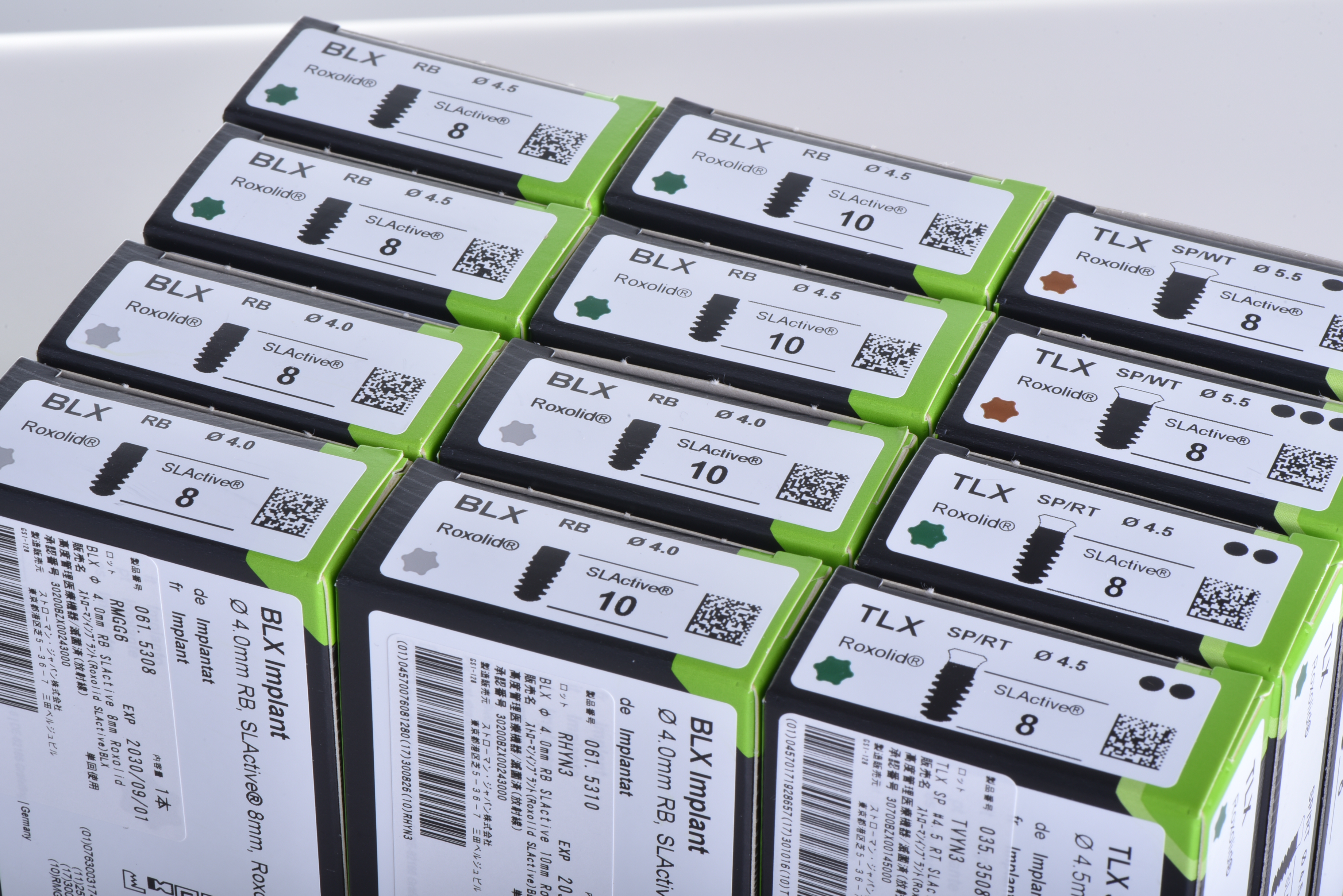
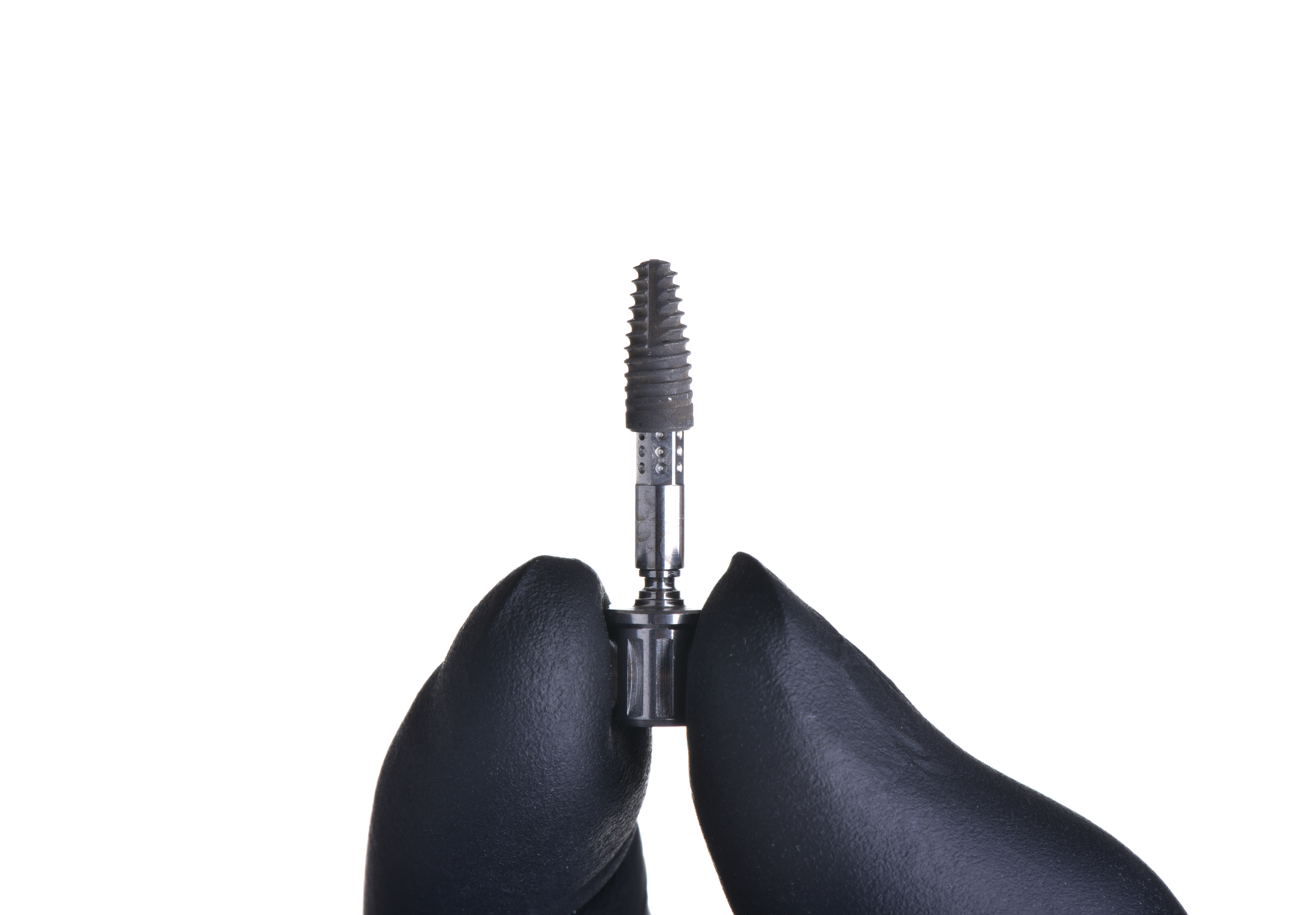
Eden Dental Office exclusively uses Straumann implants. Straumann, founded in Switzerland, has one of the longest clinical track records in the industry and is used worldwide. Their surface treatment technology (SLActive) is backed by extensive research, and their global distribution network ensures that replacement parts and maintenance components remain available for decades.
We limit ourselves to Straumann not because of brand recognition, but because implant treatment requires parts and support 10 and 20 years after placement. Using a system with proven long-term evidence and international supply infrastructure is how we protect our patients’ investment for the long run. It also means that if you relocate, any qualified dentist with Straumann access can maintain your implant.
Advanced Implant Procedures
Bone augmentation using synthetic or autogenous bone to create sufficient volume for implant placement in patients with bone deficiency.
A major bone grafting procedure for the upper back jaw. The sinus floor is elevated to create space for the implant when bone height is limited.
A less invasive bone augmentation performed simultaneously with implant placement when only a modest amount of additional bone is needed.
Tissue transplant procedures to thicken and strengthen the gum around an implant, improving both long-term cleanability and aesthetics.
A complete set of fixed teeth supported by four implants per arch. Designed for patients with extensive tooth loss or those transitioning from full dentures.
A CT-derived surgical guide ensures implant placement matches the simulated plan exactly — improving accuracy beyond what freehand technique alone can achieve.
Two to four implants anchor a removable denture, eliminating the instability of conventional full dentures while remaining easier to clean.
In selected cases, the implant is placed on the same day the tooth is extracted, shortening overall treatment time and preserving the natural gum contour.
Second Opinions
Even when bone volume is limited, bone grafting procedures can often create the conditions needed for successful implant placement. However, the approach must be tailored to the bone shape, defect location, and bite forces involved.
Anterior implants demand more than just replacing the tooth. The gum thickness, gum line, and left-right symmetry all have to be planned precisely. The more important the appearance, the more critical the diagnostic accuracy.
Patients who struggle with uncomfortable or unstable dentures often see significant improvement with implant-supported solutions. Whether that means a fixed bridge or an overdenture depends on the overall condition of the mouth.
When many teeth are missing and you don’t know where to start, the first step is to map out the whole picture — not just the obvious gaps. We prioritize function and long-term stability across the entire mouth.
Why It Matters
Losing a tooth affects more than appearance. When chewing force is no longer distributed evenly, the remaining teeth bear extra load, and the bite gradually shifts. Even a single untreated gap can alter the alignment over time, eventually affecting the jaw joint and other teeth.
The ability to chew well is closely tied to daily comfort and quality of life. That’s why we evaluate not just the missing tooth, but the entire bite balance, the load on remaining teeth, and future stability — before recommending any treatment.
Treatment Flow
Timeline varies by case. A straightforward single implant: 3–6 months. Cases requiring bone grafting: 6–12 months. All-on-4 patients can receive provisional teeth on the same day as surgery.
Case Studies
Real patients treated at our clinic. Photos are shown with patient consent.
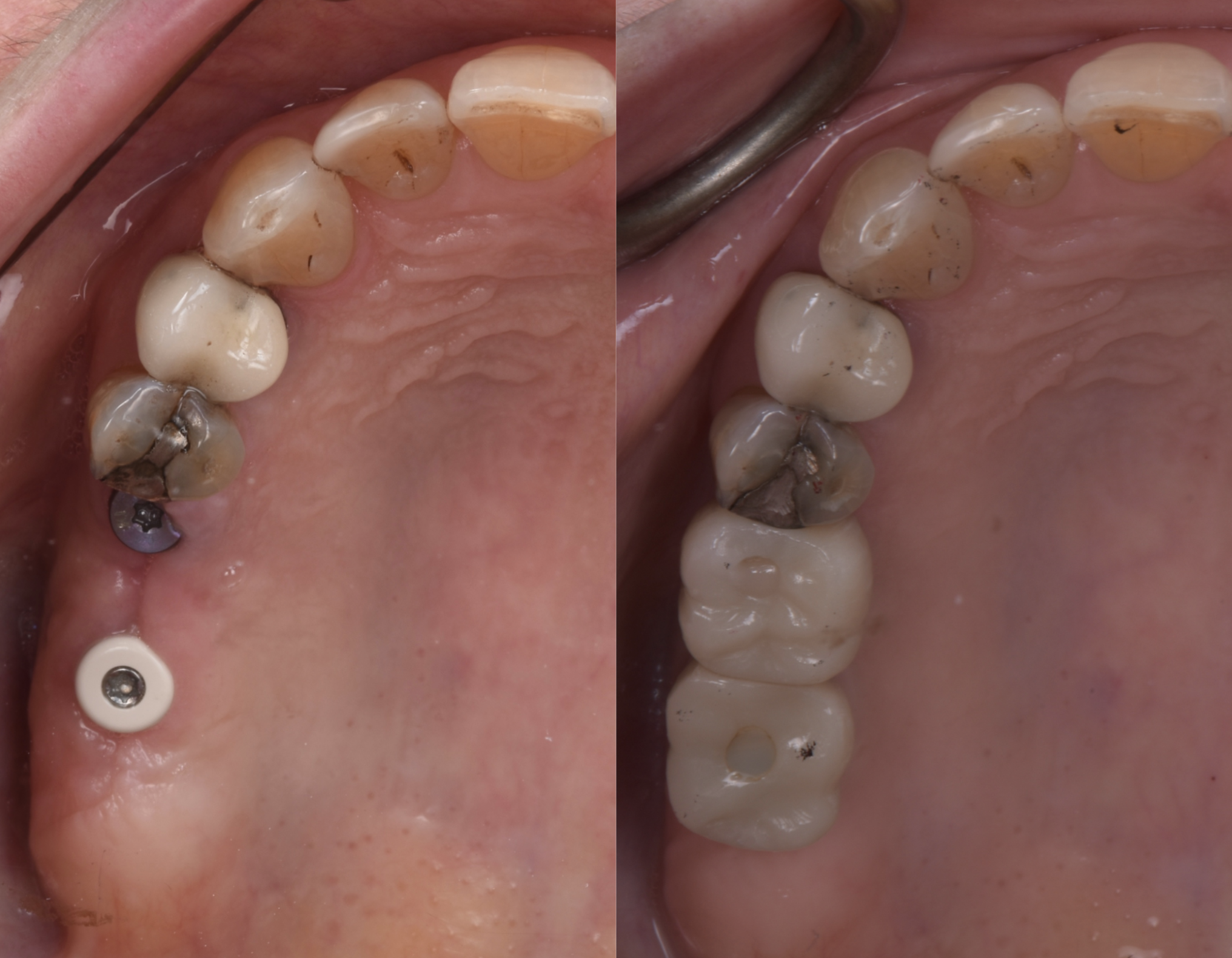
| Patient | Male, 60s |
| Chief complaint | Back tooth extracted due to decay |
| Treatment | 2 implants (back teeth) |
| Duration | Approx. 4 months |
| Fee | ¥1,320,000 (tax incl.) |
Diagnosis: Losing this molar shifted bite forces unevenly, placing increasing stress on the remaining teeth. Simply filling the gap was not enough — maintaining overall bite balance was the priority.
Design focus: The implant was positioned not only for strong chewing function but also for easy cleaning and minimal load on neighboring teeth.
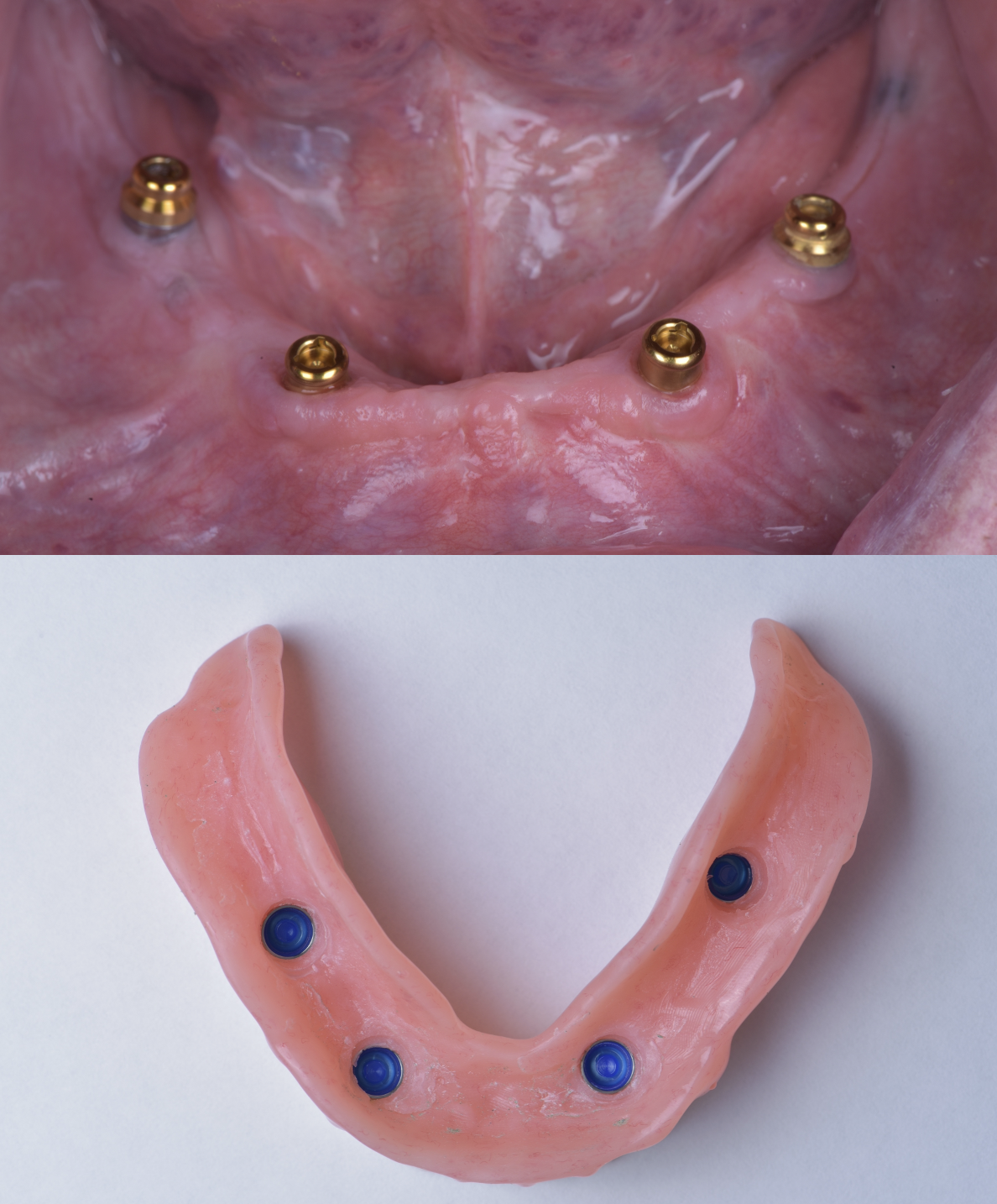
| Patient | Female, 60s |
| Chief complaint | Denture unstable, unable to chew |
| Treatment | 2 implants |
| Duration | Approx. 5 months |
| Fee | ¥1,320,000 (tax incl.) |
Diagnosis: The unstable denture made chewing difficult and significantly affected the patient’s daily comfort. We needed to determine the optimal number and position of implants for the most rational restoration.
Design focus: Priority was given to everyday usability, minimal discomfort, natural appearance, and long-term cleanability.
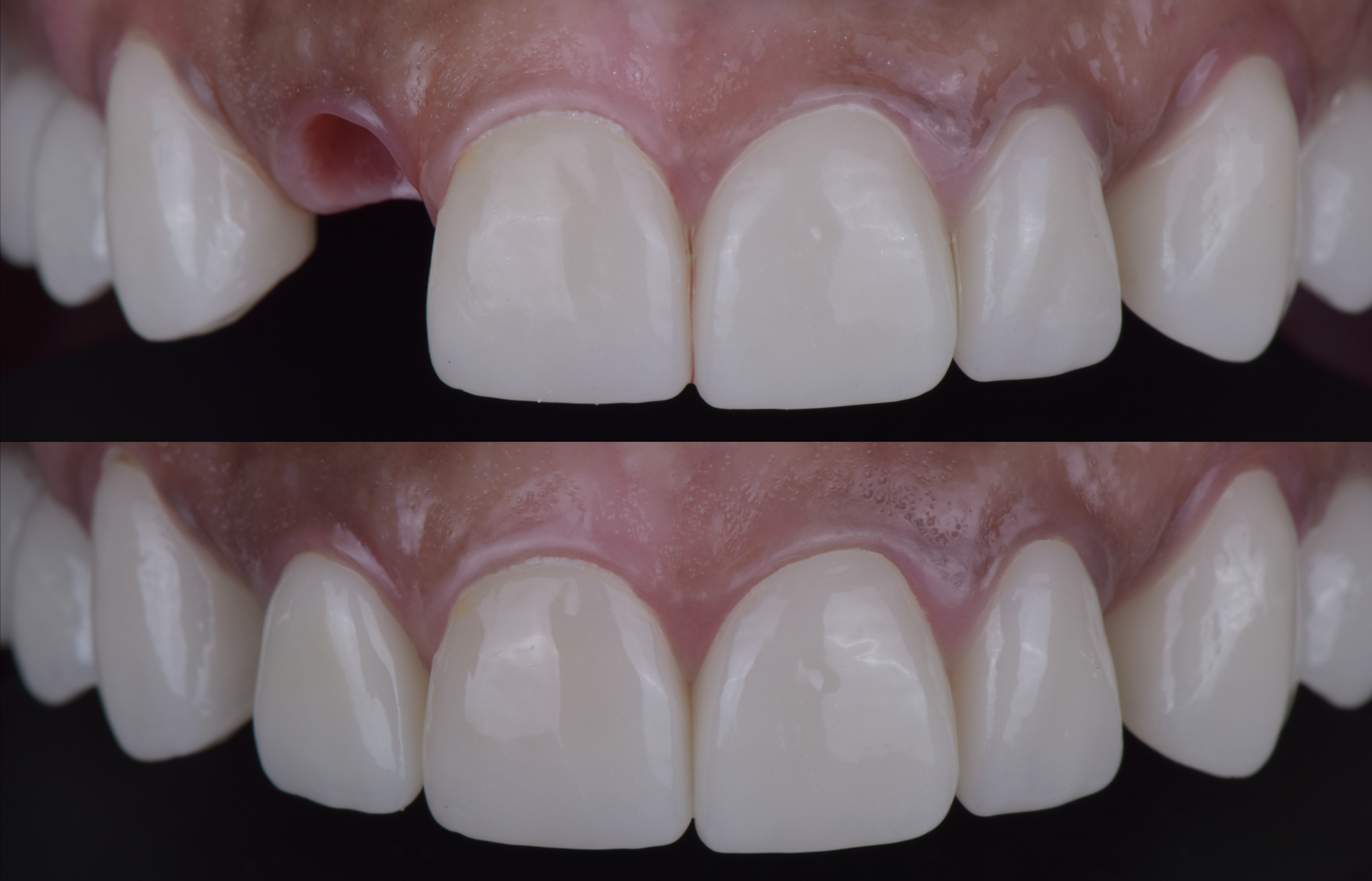
| Patient | Female, 40s |
| Chief complaint | Missing front tooth; told by another clinic it was too difficult |
| Treatment | Bone grafting + gum grafting + 1 implant |
| Duration | Approx. 6 months |
| Fee | ¥840,000 (tax incl.) |
Diagnosis: For anterior teeth, the gum thickness, gum line, and left-right symmetry are as important as the tooth itself. The patient had moderate bone resorption, requiring both GBR (bone grafting) and CTG (connective tissue grafting).
Design focus: Natural gum contour was the top priority, alongside function, cleanability, and long-term harmony with the surrounding tissue.
Every patient’s situation is unique. Results depend on individual conditions, treatment plan, and follow-up care. We are happy to discuss what is possible in your case during a consultation.
Pricing
All implant treatment at Eden is self-pay (not covered by Japanese health insurance). Prices include tax. When comparing clinics, check what is included in the quoted price — not just the total.
| Item | Fee (tax incl.) |
|---|---|
| CT diagnostic exam | Free |
| Surgical guide (guided surgery stent) | ¥66,000~ / site |
| Implant placement — Straumann (1st surgery) | ¥330,000 / tooth |
| 2nd surgery (abutment connection) | ¥77,000 / site |
| Custom abutment | ¥77,000 / tooth |
| Provisional crown (temporary) | ¥55,000 / tooth |
| Final ceramic crown | ¥187,000 / tooth |
| Procedure | Fee (tax incl.) |
|---|---|
| GBR (bone grafting) | ¥55,000 – ¥330,000 / site |
| Sinus lift | ¥330,000 / site |
| Socket lift | ¥165,000 / procedure |
| FGG (free gingival graft) | ¥165,000 / site |
| CTG (connective tissue graft) | ¥165,000 / site |
| Case | Total estimate | Monthly (36 installments) |
|---|---|---|
| Single back tooth (1 implant) | ¥510,000 – ¥660,000 | ~¥11,000/mo |
| Single front tooth (1 implant) | ¥660,000 – ¥770,000 | ~¥15,000/mo |
| Multiple teeth (2–3 implants) | ¥1,320,000 – ¥1,980,000 | ~¥30,000/mo |
| All-on-4 (one jaw) | ¥3,300,000 – ¥4,400,000 | ~¥80,000/mo |
Eden Dental Office provides a 10-year guarantee on implant treatment, subject to regular maintenance visits. Guarantee details and conditions are explained in full during the treatment planning appointment.
Interest-free in-house payment plans are available. For the full fee list including other treatments, visit our fees page.
Implant treatment qualifies for Japan’s medical expense deduction. For example, if your annual income is ¥5,000,000 (income tax rate 20%) and your implant treatment costs ¥700,000, you may receive a tax refund of approximately ¥120,000. We provide details and assist with the necessary paperwork at your treatment planning appointment.
Payment
We offer an in-house installment plan with no interest or additional fees. Payment schedules are tailored to your treatment timeline so cost never becomes a barrier to proper care.
Financing through our partner institution is available. You can simulate monthly payments in advance, and we assist with the application process in-clinic.
We accept Visa, Mastercard, JCB, American Express, and more. Installment and bonus payments may be available depending on your card issuer.
All implant treatment includes a 10-year guarantee, contingent on regular maintenance visits. Continued responsibility after treatment is fundamental to our practice philosophy.
Choosing a Clinic
Implant treatment chosen on price alone tends to lead to regret. Use this checklist when evaluating clinics:
Eden Dental Office meets all seven criteria.
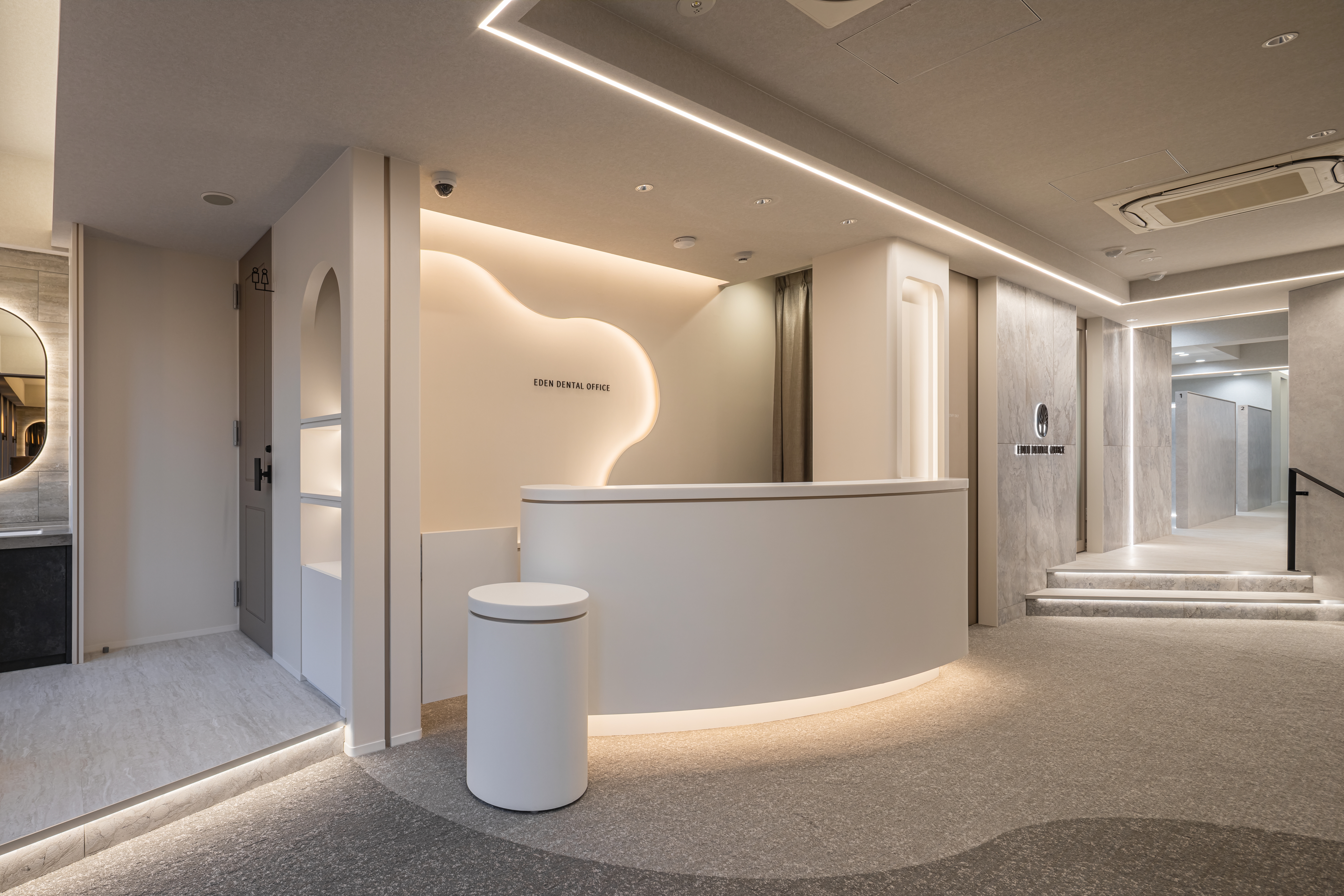
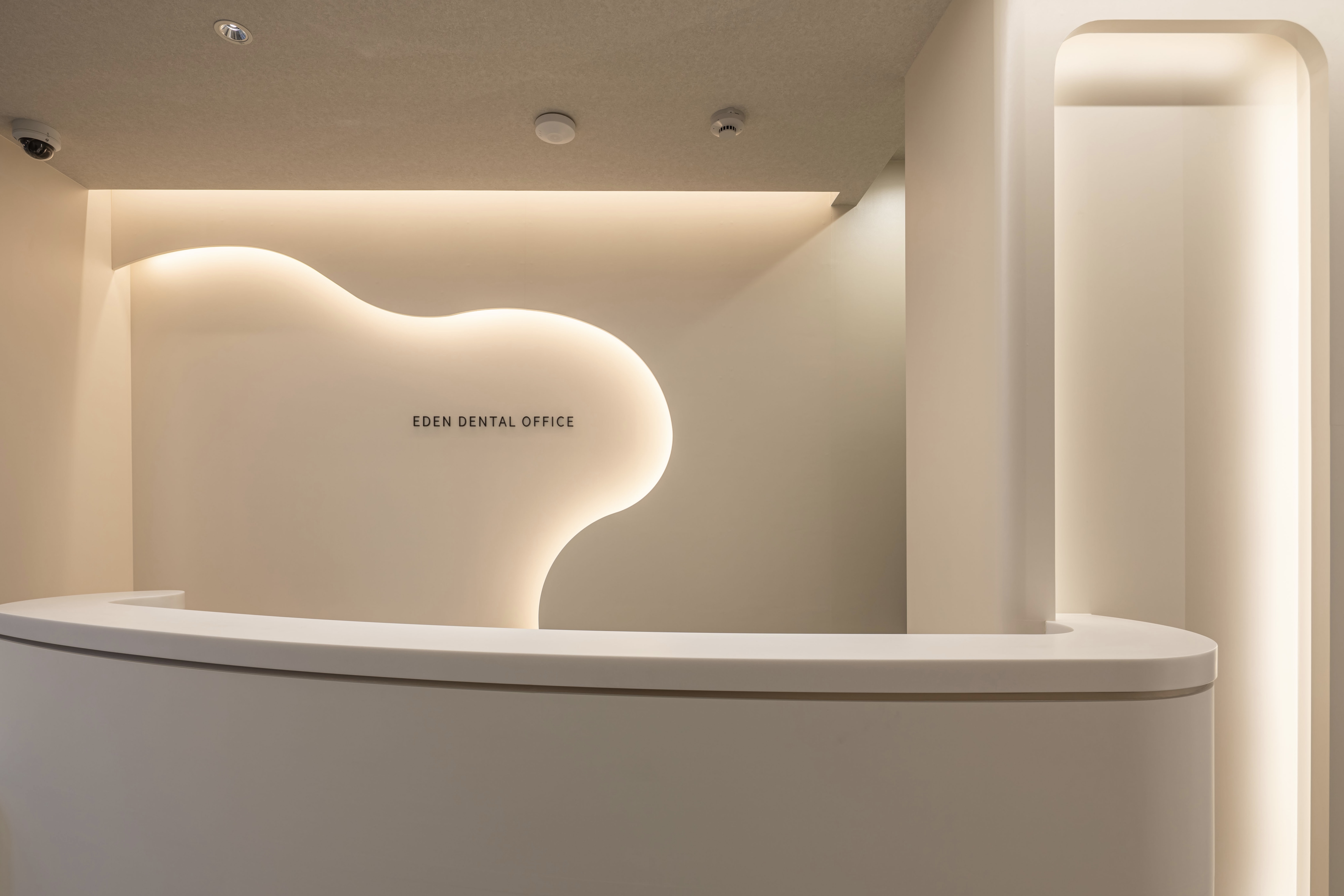
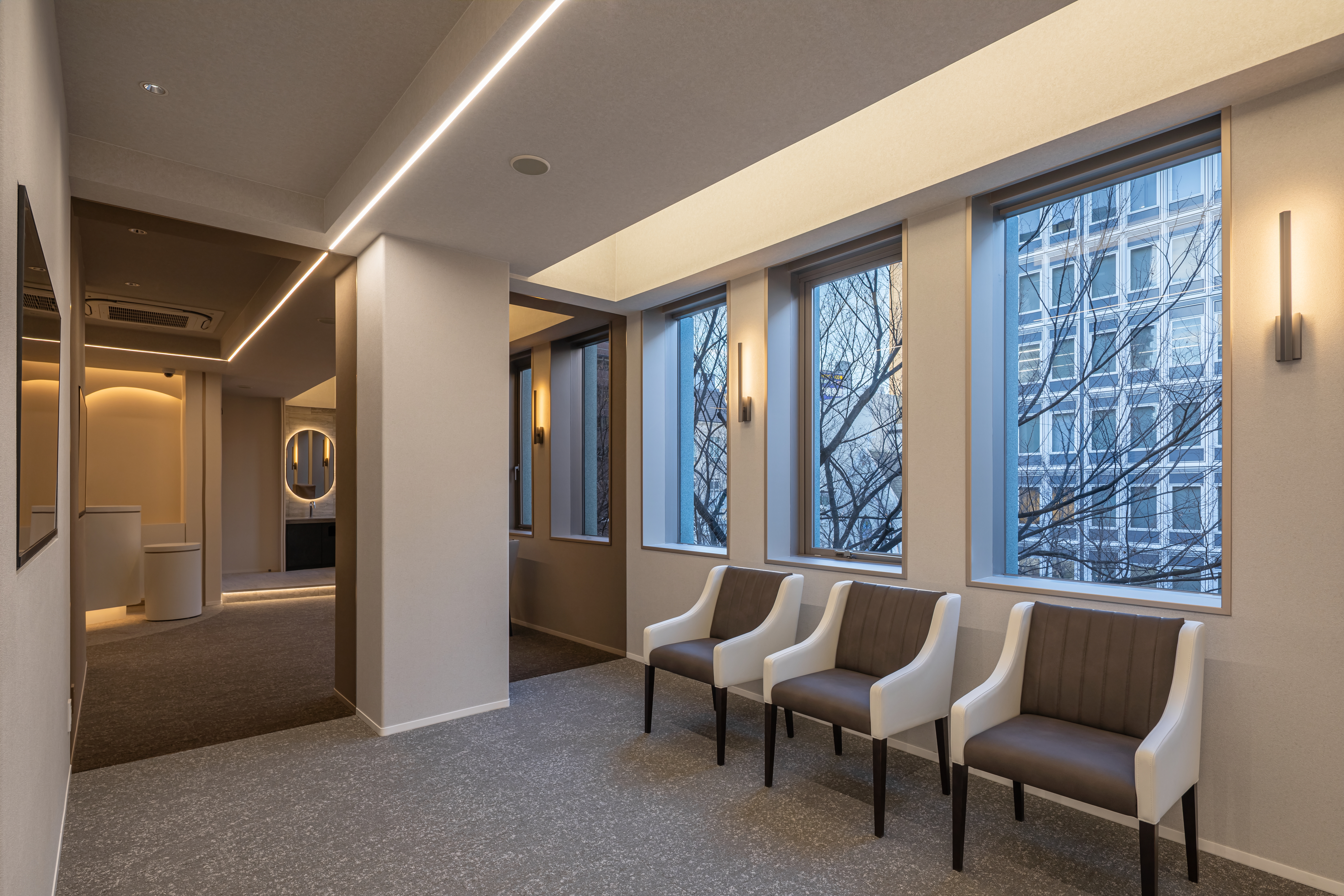
Our Clinic
FAQ
Short answer: Of course. Consultation-only visits are welcome. We never pressure anyone into treatment.
Why: Implants are one strong option, but they are not the first choice for everyone. Depending on your remaining teeth, the location of the gap, your bite, and your priorities, a bridge or denture may actually be more appropriate. The important thing is to understand which treatment suits you — not to commit to a treatment method before that question has been answered.
Our approach: At Eden Dental Office, we never start by deciding on one treatment. We compare all three options — implant, bridge, and denture — with their respective pros, cons, costs, and timelines, so you can choose with confidence.
Short answer: In many cases, bone grafting (GBR, sinus lift, socket lift) can create the conditions needed for implant placement.
Why: Insufficient bone does not automatically mean implants are impossible. However, not every case of bone loss can be treated the same way. What matters is a detailed, 3D evaluation of your bone shape, the gap location, bite alignment, and overall oral condition. Many patients told elsewhere that “there isn’t enough bone” find that a CT-based assessment reveals additional options.
Our approach: We use CT imaging for a precise 3D evaluation — assessing not just whether treatment is possible, but which approach will be most stable long-term. Consultations involving bone grafting are available as part of our free consultation, so please don’t give up at the stage of being told “there’s not enough bone.”
Short answer: Yes. Difficult-case consultations are among the most common inquiries we receive.
Why: Implant treatment varies significantly from clinic to clinic in diagnostic precision, surgical scope, and prosthetic design philosophy. A case judged “difficult” at one clinic may be approachable with a different technique, a reassessment of the remaining teeth, or a revised treatment priority. Different perspectives can open up different solutions.
Our approach: Rather than jumping to conclusions, we start by getting a complete picture of your current oral condition with a CT scan. We then consider realistic treatment options together. We never push treatment — if implants are not the right answer, we will say so. Please use our clinic as a place to sort through your options.
Short answer: A straightforward case typically takes 3 to 6 months. Cases involving bone grafting or preliminary treatment may take 6 to 12 months.
Why: Implant treatment does not end with surgical placement. The implant needs several months of healing to bond firmly with the bone, followed by the fabrication of a provisional tooth and then the final crown. Treatment duration depends on bone density, gum health, whether grafting is needed, and whether extractions or periodontal treatment must come first.
Our approach: After a free consultation and CT scan, we present a treatment timeline in a clear schedule format — including the overall flow, estimated milestones, and expected costs at each stage. If you have specific deadlines (e.g., “I want to be able to eat comfortably by a certain date”), let us know and we will plan around your schedule.
Short answer: With proper diagnosis, treatment, and ongoing maintenance, implants can function well for 10 years or more.
Why: Longevity depends less on the implant brand itself and more on daily cleaning habits, bite balance, diet, and whether you attend regular maintenance visits. If maintenance is interrupted, the risk of peri-implantitis (gum inflammation around the implant) increases, potentially leading to early bone loss and implant failure.
Our approach: We offer a 10-year guarantee (contingent on continued maintenance visits). Our treatment planning addresses not just placement but also crown design for easy cleaning, bite balance, and long-term structural integrity.
Short answer: Because the position, angle, and crown shape determine whether problems develop years later.
Why: The question with implants is not “can it be placed?” but “how well will it function in 5 and 10 years?” Poor design leads to: (1) difficulty cleaning, which raises peri-implantitis risk; (2) uneven bite forces that stress neighboring teeth; and (3) unnatural gum lines on front teeth. These problems are invisible at first and typically surface 3 to 10 years after placement.
Our approach: The director trained in prosthetic-driven implant design in the U.S. and applies a philosophy where the implant is not just placed — it is planned as a single integrated system together with the crown, bite, and surrounding tissues. Function, aesthetics, cleanability, and long-term stability are all considered from the start.
Short answer: Not at all. Diagnostic approach, treatment planning, crown design, and maintenance protocols vary widely from clinic to clinic.
Why: Even using the same implant brand, the outcome is largely determined by pre-surgical diagnosis, implant positioning, prosthetic design, and post-operative care. Two clinics using the same system can produce very different 10-year results depending on these factors.
Our approach: At Eden, the director personally manages every case from initial diagnosis through final crown delivery and ongoing maintenance. Your treating doctor never changes mid-treatment. We prioritize a prosthetic-driven approach — designing the crown first, then working backward to determine optimal implant placement.
Short answer: The procedure is performed under local anesthesia, so you should not feel pain during surgery.
Why: Implant surgery uses the same anesthesia techniques as standard dental procedures. Most patients are surprised at how little discomfort they feel. Afterward, mild swelling and soreness may last a few days, but this is typically manageable with standard pain medication.
Our approach: We explain each step of the procedure in advance so you know exactly what to expect. If you have significant anxiety, sedation options can be discussed. For extensive procedures (bone grafting, sinus lift), we plan the surgical schedule and recovery timeline together beforehand.
Short answer: If your condition is properly managed, treatment is possible in most cases.
Why: For diabetes, stable HbA1c levels are key. For hypertension, blood pressure control is necessary. Osteoporosis requires careful evaluation of bisphosphonate use and duration. The important point is that “having a medical condition” does not automatically mean “implants are not an option.” What matters is a comprehensive assessment of your medications, lab values, and overall management status.
Our approach: We coordinate with your physician as needed — checking HbA1c, blood pressure, current medications, and other relevant values before making a treatment decision. Rather than refusing treatment outright, we assess your specific situation and determine whether implants are a realistic option for you.
Short answer: There is no strict upper age limit. Patients in their 80s have successfully received implants.
Why: What matters is not chronological age but bone quality, gum health, bite balance, and overall physical condition. If these factors are favorable, even older patients can undergo implant treatment safely. Younger patients (under ~20) may need to wait until jaw growth is complete.
Our approach: We assess each case individually using CT imaging and a health interview, considering not just whether the implant can be placed but whether it will function well 10 and 20 years from now. Many older patients and patients with chronic conditions consult with us, so please don’t hesitate to inquire.
Short answer: We do not recommend it. A lower initial cost can lead to significantly higher long-term expenses.
Why: Implants are not a “buy cheap, use once” product. A poorly designed implant can result in early peri-implantitis, crown fracture, or retreatment — costs that often exceed the original savings. Also, when an implant fails, bone and surrounding tissue may deteriorate, narrowing future treatment options.
Our approach: Our fees are listed clearly on our fee page, with a detailed breakdown of what is included at each stage (diagnosis, surgery, abutment, crown, guarantee). We explain everything upfront so you understand exactly what you are paying for and why.
Short answer: You will learn about your current oral condition, your treatment options, the general timeline, and an estimate of cost.
Why: A free consultation is not a commitment to treatment — it is a place to organize your options. Detailed treatment planning requires a CT scan and further analysis, but even at the consultation stage you can get a clear sense of the available paths, rough timelines, and approximate costs.
Our approach: CT scans are also free at Eden Dental Office. There is absolutely no obligation to proceed. We welcome consultations for information-gathering purposes only, and second opinions are always accepted.
Short answer: For a standard single implant, most patients return to work the next day.
Why: Implant surgery uses local anesthesia, and you can walk home the same day. However, heavy exercise, alcohol, and prolonged bathing should be avoided on the day of surgery. More extensive procedures (bone grafting, sinus lift) may result in swelling and mild discomfort for 1 to 3 days.
Our approach: We can schedule surgery on Friday afternoons or Saturdays so you can recover over the weekend. During treatment planning, we discuss recovery expectations and coordinate the surgical schedule around your work and personal commitments.
Short answer: Yes. We regularly see patients with implant-related trouble from other clinics.
Why: Common issues include peri-implantitis, loose screws, crown fractures, bite discomfort, and discoloration or gum recession around the implant. The cause can range from design flaws to maintenance gaps to natural aging of surrounding tissue. Even when the original brand or specifications are unknown, CT imaging and clinical records usually provide enough information.
Our approach: We assess the situation with a CT scan and oral examination, then determine whether the existing implant can be preserved, the crown remade, or whether removal and re-treatment is necessary. You will not be blamed for having treatment done elsewhere. We approach every case as a practical problem to solve.
Short answer: Yes. We offer All-on-4, multi-implant restorations, and implant overdentures.
Why: All-on-4 is a powerful option for patients with extensive tooth loss who want fixed teeth on relatively few implants. However, it is not the best solution for every case. Depending on your bone condition, bite, cleanability needs, and budget, conventional multi-implant placement or an implant overdenture may offer better long-term value and easier maintenance.
Our approach: Rather than assuming “All-on-4 is the answer,” we compare All-on-4, multi-implant, and overdenture options side by side — evaluating long-term stability, cost-effectiveness, and ease of maintenance for your specific situation. Please take your time and consult with us.
Free Consultation
Whether you are considering implants for the first time, comparing clinics, or looking for a second opinion on a case that was turned down elsewhere — our consultation is free and comes with no obligation. We will review your CT scan (also free), explain your options, and help you understand what each path involves in terms of treatment, time, and cost. Everything is explained in English.
You do not need to decide on the spot. Many of our patients take time to think, compare, and come back when they’re ready.
Opened January 2026
A brand-new clinic in central Nagoya.
Ready to start?
Whether you need a single implant or a full-arch restoration, we are here to explain every option clearly in English and help you make the right decision.
Send us a message