Dental Implant Costs in Japan: A U.S.-Trained Prosthodontist’s Guide
Reviewed by Dr. Ryosuke Murai, DDS, MSD — Prosthodontist, trained at Indiana University School of Dentistry (U.S.). Last updated July 2026.
Dental implants in Japan are almost always self-pay, and quotes for what sounds like “the same treatment” can differ by hundreds of thousands of yen. The difference is rarely arbitrary: it reflects the implant system used, how the surgery is planned, who designs the final tooth, and what happens after the implant is placed. This guide explains the cost structure of dental implant treatment in Japan so you can read any estimate — ours or anyone else’s — and understand exactly what you are paying for. It is written for people who want treatment planned properly the first time, in English.
Why implants are self-pay in Japan
Japan’s national health insurance covers essential, function-restoring dentistry, and it does this well. But dental implants are classified as jiyū shinryō — free (self-pay) treatment — in all but a few exceptional hospital cases, such as reconstruction after tumor surgery or certain congenital conditions — our separate guide explains exactly when health insurance covers a dental implant in Japan. This is a structural decision by the Ministry of Health, Labour and Welfare, and it applies to everyone in Japan regardless of nationality. Japanese patients pay self-pay for implants too.
The practical consequence: prices are set by each clinic, not by a national fee schedule. That freedom is what allows both genuinely excellent implant care and aggressively discounted implant care to exist in the same city — sometimes on the same street. Understanding what sits behind a number is your only real protection.
What actually determines the cost of an implant
A single-tooth implant is not one product; it is a stack of decisions. Each row in this table is a place where quality — and price — is decided.
| Component | What it is | Why it moves the price |
|---|---|---|
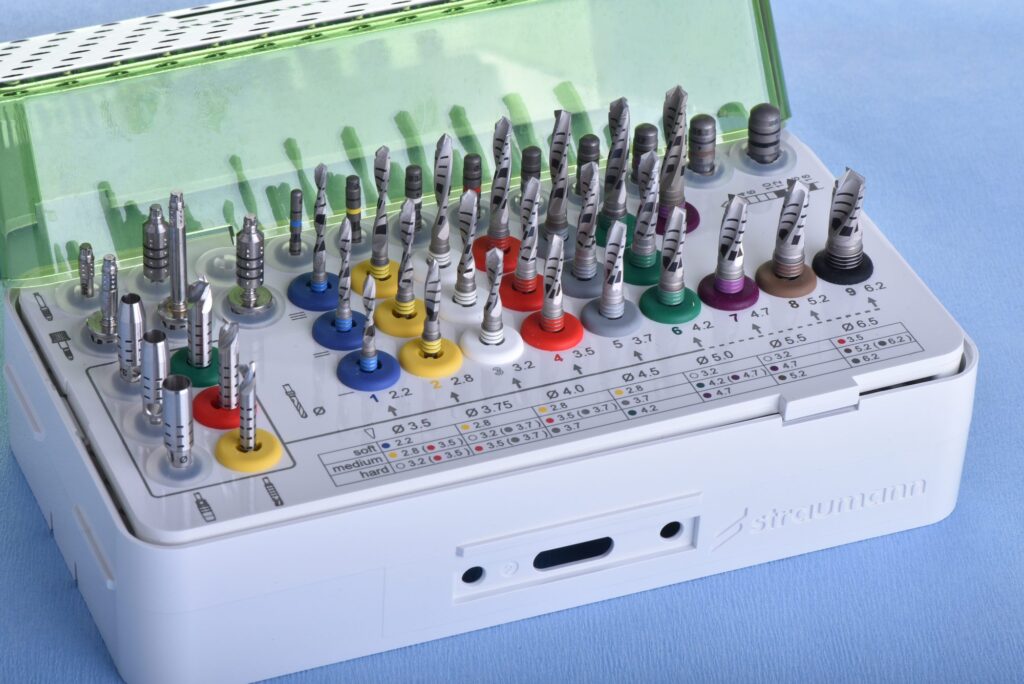
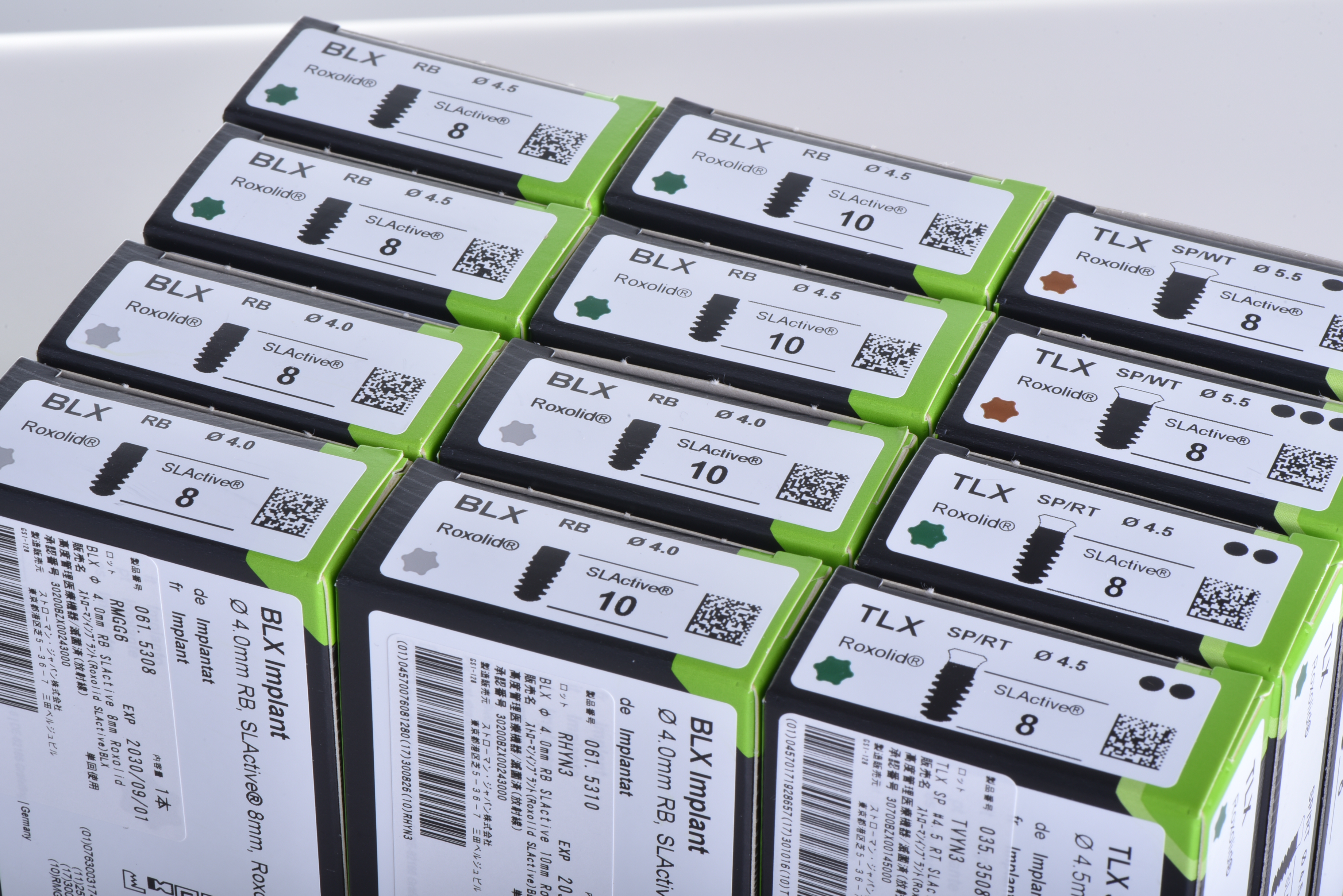
| Implant fixture | The titanium “root” placed in bone | Global research brands (e.g., Straumann) cost the clinic several times more than generic copies, and carry decades of published survival data |
| Abutment | The connector between fixture and crown | Custom-milled abutments fit the gum profile; stock parts are cheaper but compromise emergence shape |
| Crown | The visible tooth | Material (zirconia, lithium disilicate) and, above all, who designs it — a lab technician who has never seen you, or the treating dentist |
| Diagnostics & planning | CT scan, digital planning, surgical guide | 3D planning and a guided surgery template add cost up front and remove guesswork during surgery |
| Additional procedures | Bone grafting, sinus lift, gum grafting | Needed in a significant share of cases; a quote that ignores them is not a complete quote |
| Aftercare | Maintenance protocol, warranty terms | Implants fail without maintenance; structured follow-up is part of the true cost |
When you compare two estimates, line them up against this table. A low headline price usually means one or more rows have quietly been removed.
Where very low quotes cut corners
Deep-discount implant advertising exists in every large Japanese city. Without naming anyone: the arithmetic has to balance somewhere. The common levers are generic fixtures with limited long-term data, no CT-based planning or freehand surgery, stock abutments regardless of gum anatomy, crowns outsourced at minimum cost, and no defined maintenance program. None of these choices is illegal. They are simply choices — and they tend to surface years later, as bone loss, loose crowns, or a fixture that no local dentist can identify parts for.
One question cuts through most marketing: “Which implant system will you place in me, and can I have that in writing?” A clinic proud of its answer will not hesitate.
How implant treatment is planned at Eden Dental Office
At Eden Dental Office in Nagoya, implant treatment is prosthodontically driven — meaning we design the final tooth first, then place the implant to serve that design, not the other way around. Dr. Murai completed his MSD in Prosthodontics at Indiana University and plans every case personally.
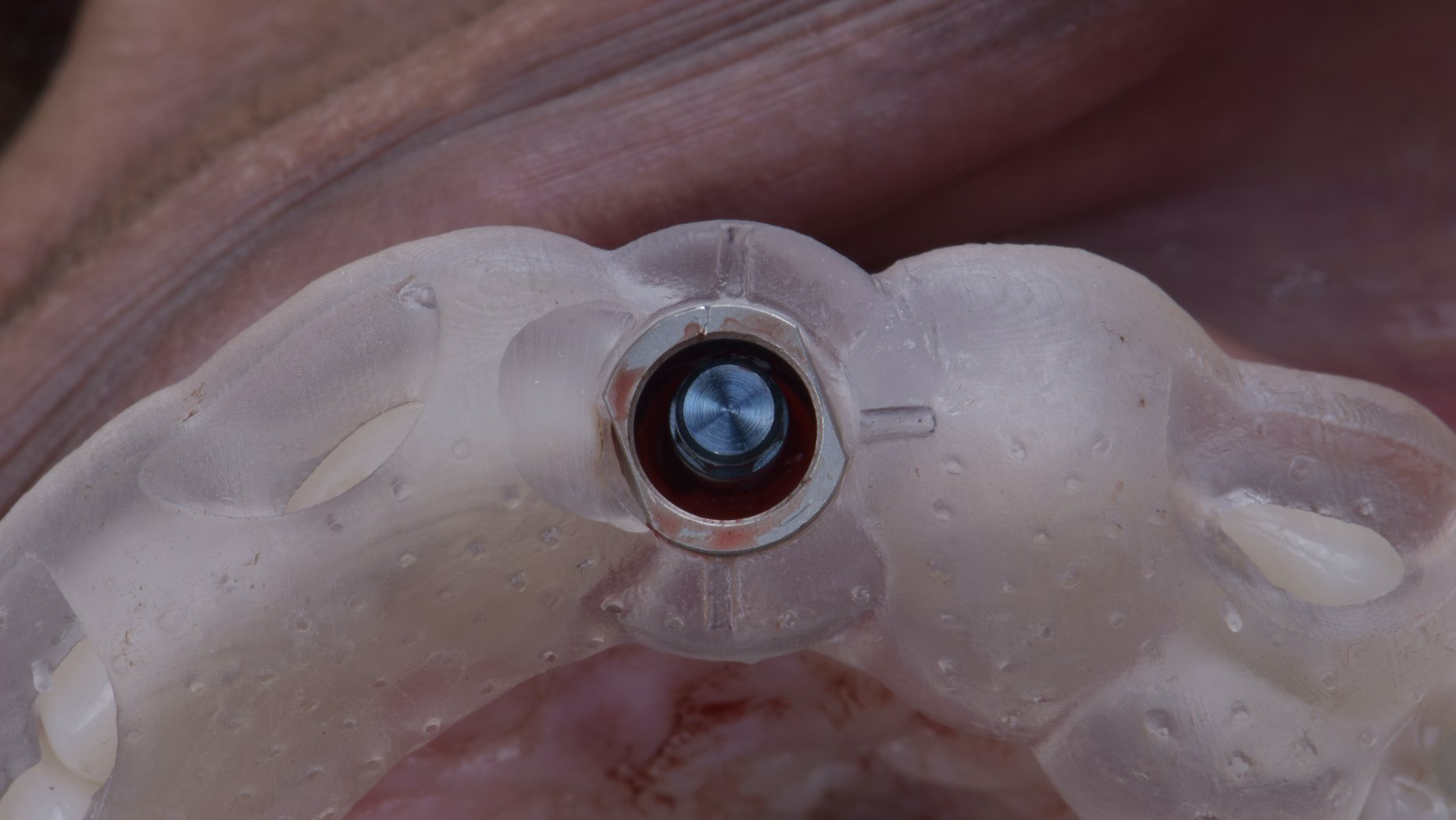
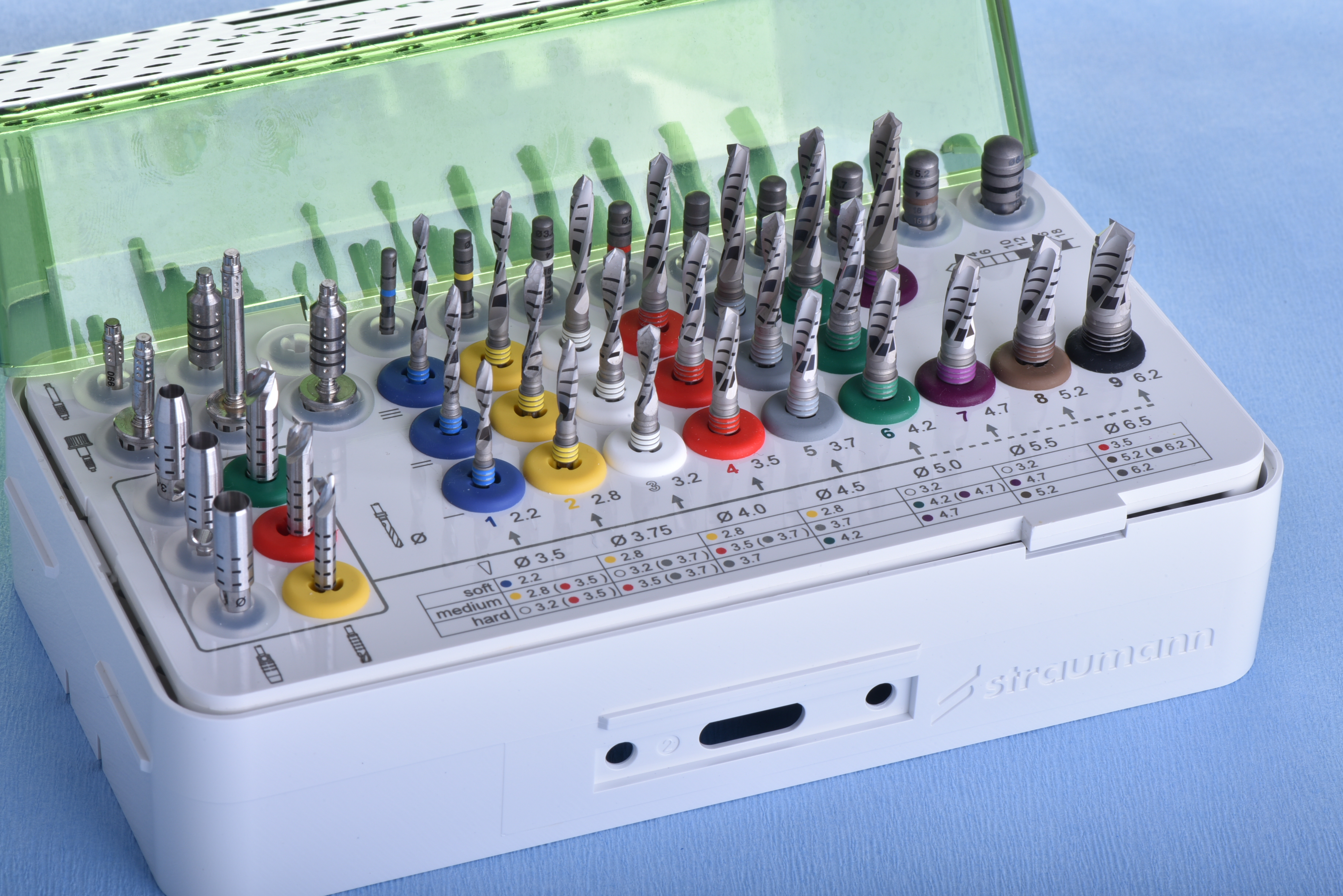
In practice, that looks like this: we use the Straumann implant system (BLX/TLX) exclusively, image every case with 3D CT, plan the position digitally, and print the surgical guide in our own in-house lab — often the same week. Because design, milling, and 3D printing happen inside the clinic, the dentist who examined you is the person who designs your abutment and crown, and fewer appointments are wasted waiting on an outside laboratory. You receive a written treatment plan and estimate in English before anything begins, itemized against the components above. If you are weighing a Straumann quote against a cheaper alternative, our breakdown of Straumann implant costs in Japan explains what that premium actually buys.
Costs, tax deductions, and paying sensibly
We publish our diagnostic package pricing openly — a comprehensive new-patient exam with CT-grade imaging and cleaning starts from ¥40,000 self-pay — and implant fees are always quoted in writing after diagnosis, never over the phone. You can see how we structure fees on our fees page. Be cautious of any implant price quoted before anyone has looked at your bone.
Two mechanisms soften the real cost for residents of Japan. First, implant treatment generally qualifies for Japan’s medical expense deduction (医療費控除), which can return a meaningful portion at tax time; we issue receipts formatted for it. Second, we offer interest-free monthly payment plans for implant treatment, so the cost spreads across the treatment period without financing charges.
The implant timeline in Japan: what happens, and when
Implant treatment is a sequence, not an event, and understanding the sequence explains much of the fee structure. A typical single-tooth case at a well-planned clinic runs like this. First comes diagnosis and planning: a comprehensive exam, 3D CT imaging, digital planning of the implant position, and — in our workflow — design and 3D printing of a surgical guide. This stage decides almost everything that follows, which is why it should never be free-of-charge guesswork. Next is placement surgery, usually under local anesthesia and typically taking under an hour for a single guided fixture. Discomfort afterward is commonly managed with ordinary analgesics for a few days, though experiences differ from person to person.
Then comes the least glamorous and most important phase: osseointegration, the eight-to-sixteen-week period during which bone bonds to the titanium surface. Rushing this stage is one of the classic causes of early failure. Once integration is confirmed, the prosthetic phase begins — digital impressions, abutment design, and fabrication of the final crown. In our case, that design work happens in the in-house lab under Dr. Murai’s direction rather than at an anonymous outside facility. Finally, maintenance: scheduled professional cleaning and checks of the peri-implant tissue, because implants do not get cavities but absolutely can lose supporting bone if neglected. When a quote looks unusually cheap, check which of these five stages it silently omits.
One tooth, several teeth, or a full arch
Cost logic changes with scale. For a single missing tooth, the implant competes against a bridge — which requires grinding down two neighboring teeth — or a removable partial denture. The implant is usually the most expensive option up front and the most conservative biologically, because it leaves adjacent teeth untouched. For several missing teeth, implants can support bridges of their own, so three missing teeth rarely means three implants; intelligent planning often reduces the fixture count, and the estimate should show that reasoning. For a failing full arch, fixed solutions such as All-on-4 concentrate four to six implants to support a complete set of teeth, an approach we plan with the same guided, prosthodontics-first workflow. Each configuration has distinct costs, risks, and maintenance profiles — a written comparison of your realistic options is part of any honest consultation, and the cheapest configuration on day one is not always the cheapest over twenty years.
Seven questions that expose the quality of any implant quote
Wherever you ultimately choose to be treated — in Nagoya, Tokyo, or back home — these questions separate serious implant dentistry from implant retail. Ask them, and ask for the answers in writing:
- Which implant system, exactly? Brand and model, in writing. You may need parts for it in another country, twenty years from now.
- Who plans the position — and with what? CT-based digital planning with a surgical guide, or freehand judgment on the day?
- Who designs my final tooth? The dentist who examined you, or a laboratory that has never seen your face?
- What is not included in this figure? CT, guide, abutment, crown material, grafting, sedation, follow-up — hidden extras live here.
- What happens if grafting turns out to be necessary? A range should exist before surgery, not appear after it.
- What does maintenance look like, and what does it cost? An implant without a maintenance plan is a countdown.
- What are my alternatives, including doing nothing? A clinician comfortable discussing non-implant options is telling you something about their incentives.
We answer all seven in our written English treatment plans as a matter of course — and any good clinic should.
Traveling to Nagoya for implant treatment
A growing share of our implant patients do not live in Nagoya. From Tokyo or Shin-Osaka, the Shinkansen reaches Nagoya Station in roughly 100 minutes, and the clinic is one subway stop away — two minutes on foot from Fushimi Station. Because planning, guide printing, and prosthetic design happen in-house, we can compress an implant case into fewer, well-planned visits and coordinate scheduling around your travel. Records, estimates, and follow-up are handled in English over WhatsApp, and we can coordinate with your dentist at home for routine care between stages. If you are considering treatment from another city or from abroad, mention it in your first message and we will design the visit schedule around it.
Knowing the total is one thing; scheduling the outlay is another. Our guide to dental implant payment plans in Japan explains when each fee falls due, how cards and dental loans work, and why payment timing affects your tax deduction.
Frequently Asked Questions
How long do dental implants last?
With sound placement and maintenance, published studies report high survival rates beyond ten years, and many implants function far longer. Longevity depends heavily on the system used, your bone and gum health, smoking status, and maintenance. Individual results vary — see resources at the American Dental Association and PubMed for the underlying literature.
Does Japanese health insurance ever cover implants?
Only in narrow hospital-based cases such as post-surgical reconstruction. For ordinary tooth loss, implants are self-pay for everyone in Japan, regardless of nationality or insurance enrollment.
Can I get the entire process done in English?
Yes. At Eden, consultation, written treatment plans, estimates, consent documents, and aftercare instructions are provided in English, and you can message the clinic in English on WhatsApp at any stage.
What if I was told elsewhere that I need an implant?
A second opinion before surgery is reasonable and common. Bring your X-rays or CT if you have them; we examine, explain the options — including alternatives to implants — and give you our reasoning in writing.
Comparing cities within Japan? See our breakdown of how implant costs differ between Tokyo and Nagoya — and which parts of a quote do not move at all.
Risks, timelines, and an honest disclaimer
Implant treatment is surgery. Risks include infection, incomplete integration of the fixture, nerve or sinus complications, and long-term peri-implant bone loss — all of which good planning reduces but cannot erase. Treatment typically spans two to six months depending on bone condition and whether grafting is required, and fees depend on the diagnosis. Costs, timelines, and outcomes differ from person to person; individual results vary. A written, itemized plan in English is provided before treatment begins, and we would rather you take it home and think than decide in the chair.
Weighing treatment here against a quote from home? We put the two markets side by side in our Japan vs U.S. implant cost comparison.
Considering implants — or comparing quotes you already have? Read how we approach implant treatment, or message us on WhatsApp in English. We will tell you honestly whether an implant is even the right answer.
Before you compare clinics on price, it helps to know how to read what an implant quote in Japan actually includes — the seven line items and the conditional add-ons. Budgeting for treatment also means budgeting for the years after it: our guide to the ongoing cost of maintaining a dental implant covers the ten-year care schedule.
When a case needs a bone graft or sinus lift, those add-on fees are quoted separately.
For patients facing the loss of an entire arch rather than a single tooth, full-arch treatment follows its own logic; see our guide to how All-on-4 full-arch implants work in Japan.